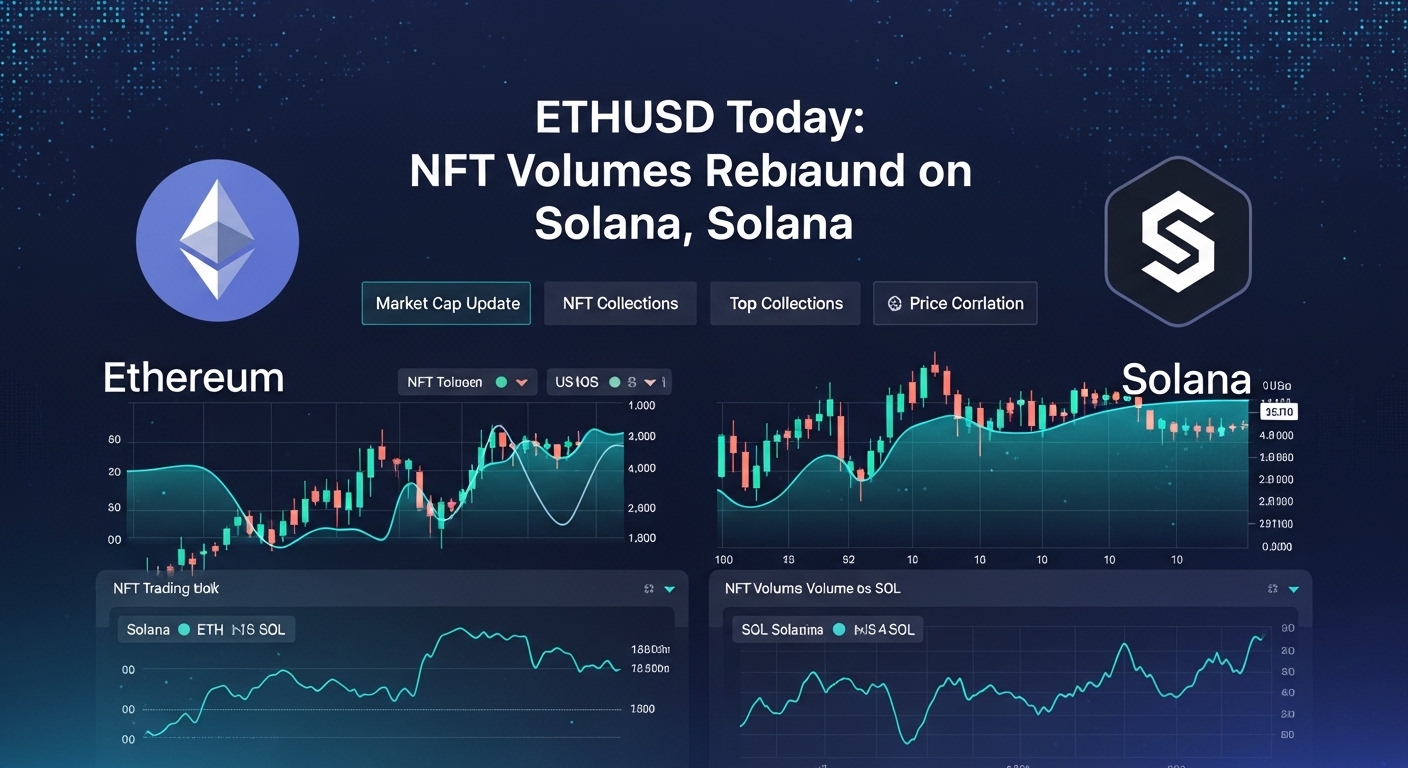
The cryptocurrency market is witnessing renewed activity as ETHUSD today reflects a notable rebound in NFT volumes on Ethereum and Solana. After a period of subdued trading, digital asset activity, particularly in the non-fungible token sector, has surged, signaling a resurgence of investor interest and transactional momentum. This revival comes at a time when the broader crypto market is showing signs of stabilization, and traders are increasingly optimistic about the growth potential of blockchain-based digital assets.
Ethereum, the leading smart contract platform, remains the backbone of NFT ecosystems, hosting the majority of NFT transactions and marketplaces. Solana, known for its high-speed and low-cost transaction capabilities, has also seen a marked uptick in NFT trading volumes. The combined activity on these networks underscores the continuing importance of layer-1 blockchains in driving digital asset adoption and facilitating decentralized finance applications.
This rebound in NFT volumes is significant for investors, developers, and collectors, as it indicates renewed liquidity, engagement, and confidence in the market. Understanding the drivers behind this surge, the technical factors influencing ETHUSD, and the broader implications for NFT trading on Ethereum and Solana is essential for anyone participating in the crypto ecosystem today.
ETHUSD Today: Ethereum’s Role in NFT Market Rebound
Ethereum continues to dominate the NFT space, and ETHUSD today reflects this influence. The rebound in trading volumes is driven by increased activity on decentralized marketplaces, the launch of new NFT collections, and the ongoing interest of both retail and institutional investors. The platform’s robust smart contract capabilities and extensive developer ecosystem make it the preferred choice for NFT projects.
The resurgence of activity on Ethereum suggests that investor confidence is returning after previous periods of market hesitation. Enhanced liquidity, lower gas fees compared to peak congestion periods, and renewed interest in high-profile NFT collections are contributing to the observed rebound. ETHUSD trading volumes mirror these developments, highlighting the close correlation between Ethereum’s native currency performance and the health of its NFT ecosystem.
Factors Driving NFT Activity on Ethereum
Several factors have contributed to the uptick in NFT volumes on Ethereum. The launch of innovative NFT collections, partnerships between artists and blockchain platforms, and promotional events within marketplaces have stimulated trading. Additionally, secondary market activity has increased, as collectors seek to capitalize on appreciating NFT values or acquire unique digital assets.
Institutional interest in NFTs is also rising, with some funds and investment vehicles exploring tokenized art and collectibles as alternative assets. This influx of capital contributes to the overall trading volume and enhances market depth. ETHUSD price trends often reflect these dynamics, as increased demand for Ethereum for NFT transactions can influence the currency’s short-term performance.
Solana Sees Surge in NFT Transactions
While Ethereum leads the NFT market, Solana has emerged as a key player in driving accessible and cost-efficient NFT trading. ETHUSD today highlights Ethereum’s correlation with Solana activity, as traders and collectors often diversify across platforms to leverage Solana’s high throughput and low transaction fees. Solana’s ecosystem has benefited from an influx of new NFT projects, marketplace integrations, and developer engagement.
The surge in NFT volumes on Solana is indicative of growing confidence in alternative layer-1 networks. Investors are increasingly exploring Solana for NFT minting, trading, and collection management due to its scalability and fast transaction confirmation times. This trend complements activity on Ethereum and broadens opportunities for digital asset diversification.
Drivers Behind Solana’s NFT Growth
Solana’s NFT market growth is driven by several factors. Developers are attracted to its low-cost transactions, enabling a larger audience of collectors to participate without prohibitive fees. High-speed transaction processing facilitates quick minting and trading, enhancing market efficiency. Additionally, cross-platform integration and marketing initiatives have increased visibility and engagement within the NFT community.
The interaction between Ethereum and Solana markets demonstrates the fluidity of digital asset trading, as participants move between platforms to optimize costs, leverage liquidity, and access unique NFT collections. This interconnection reinforces ETHUSD as a key indicator of blockchain-based market sentiment.
Technical Analysis of ETHUSD Today
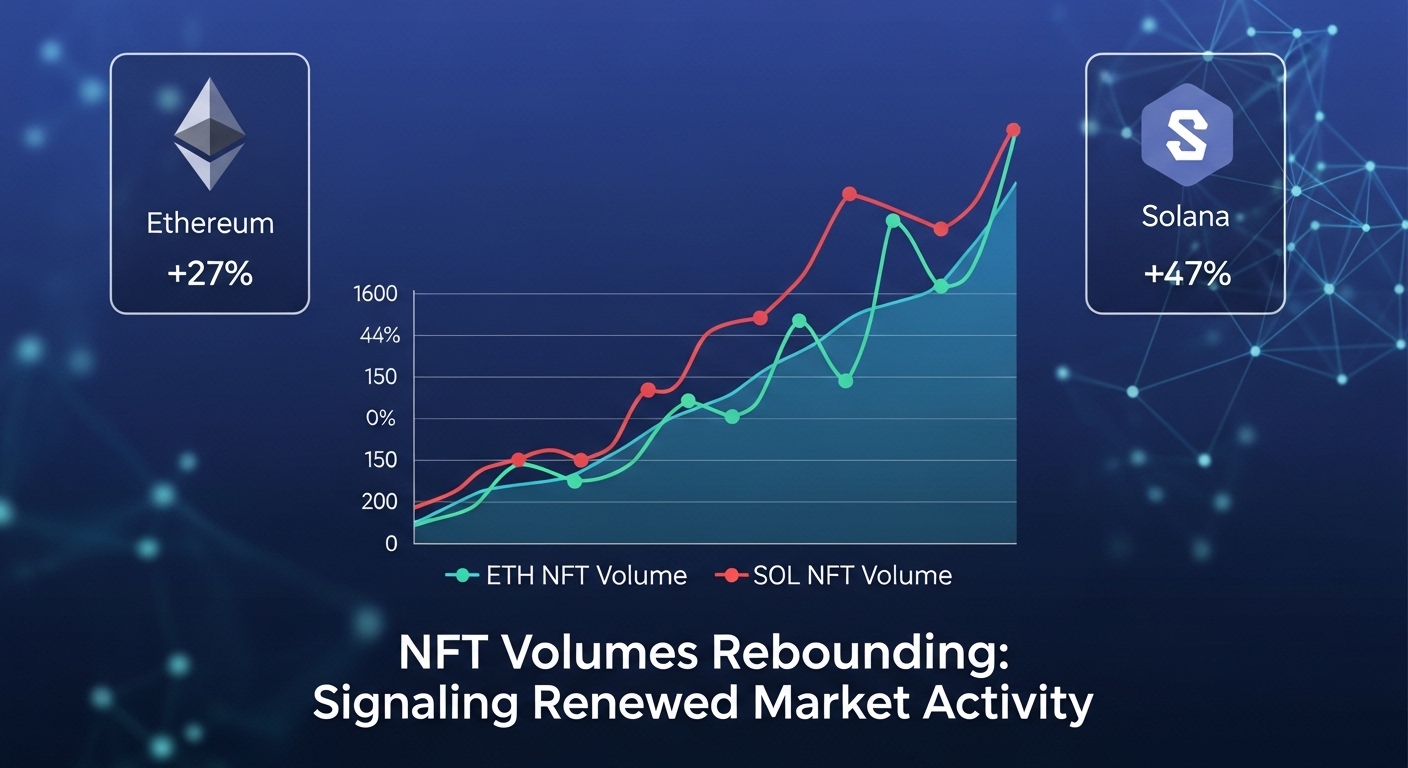
ETHUSD today reflects the impact of NFT market dynamics on Ethereum’s price performance. Technical indicators reveal that recent rebounds in trading volumes have coincided with increased buying pressure and stabilization above critical support levels. Traders closely monitor these metrics to gauge potential short-term trends and anticipate further market movements.
Key technical signals, including moving averages, trading volumes, and relative strength index levels, suggest that ETHUSD is experiencing positive momentum. The correlation between NFT market activity and ETHUSD price trends highlights how transactional demand within blockchain ecosystems can influence broader cryptocurrency valuations.
Understanding Market Psychology
Investor behavior and market psychology play a significant role in shaping ETHUSD trends. The rebound in NFT volumes has fueled optimism among traders, generating additional buying pressure and reinforcing bullish sentiment. Fear of missing out (FOMO) drives rapid participation in NFT transactions, which, in turn, influences Ethereum’s market dynamics.
Conversely, the rapid growth in trading volumes also introduces potential volatility. Traders must remain vigilant for signs of market overextension, particularly as NFT prices can fluctuate rapidly due to collector sentiment, hype cycles, and liquidity constraints. Balancing optimism with strategic decision-making is crucial for sustainable market participation.
Implications for NFT Collectors and Investors
The rebound in NFT volumes has important implications for collectors and investors. Increased liquidity enhances the ability to buy and sell NFTs efficiently, reducing transaction friction and encouraging active participation. Investors are evaluating both primary and secondary markets to identify valuable digital assets and capitalize on emerging trends.
For collectors, the renewed market activity creates opportunities to acquire unique NFTs, participate in high-profile drops, and diversify holdings across Ethereum and Solana ecosystems. The observed correlation between NFT volumes and ETHUSD provides insight into potential price trends, helping participants make informed decisions.
Broader Market Implications
The surge in NFT trading activity also has broader implications for the cryptocurrency market. High transactional volumes support Ethereum network utilization, increase demand for ETH, and can influence market capitalization trends. Additionally, the interaction between Ethereum and Solana markets highlights the growing importance of cross-chain strategies and multi-platform engagement within the NFT sector.
Institutional and retail participation in NFT markets strengthens the overall ecosystem, fostering technological development, enhancing market depth, and promoting adoption of decentralized finance applications. These dynamics collectively contribute to the resilience and long-term growth potential of blockchain-based digital assets.
Long-Term Trends in NFT Market Growth
The current rebound in NFT volumes is part of a broader trend of increasing adoption and ecosystem maturation. Ethereum remains the dominant network due to its established infrastructure, developer community, and smart contract capabilities. Solana complements this dominance by offering scalability and low-cost transaction alternatives.
Investors are increasingly considering NFTs as part of diversified digital asset portfolios, integrating them with traditional cryptocurrency holdings. Growth in secondary markets, cross-chain interoperability, and the development of innovative NFT applications reinforce the long-term potential of the sector.
Technological Developments Driving Market Expansion
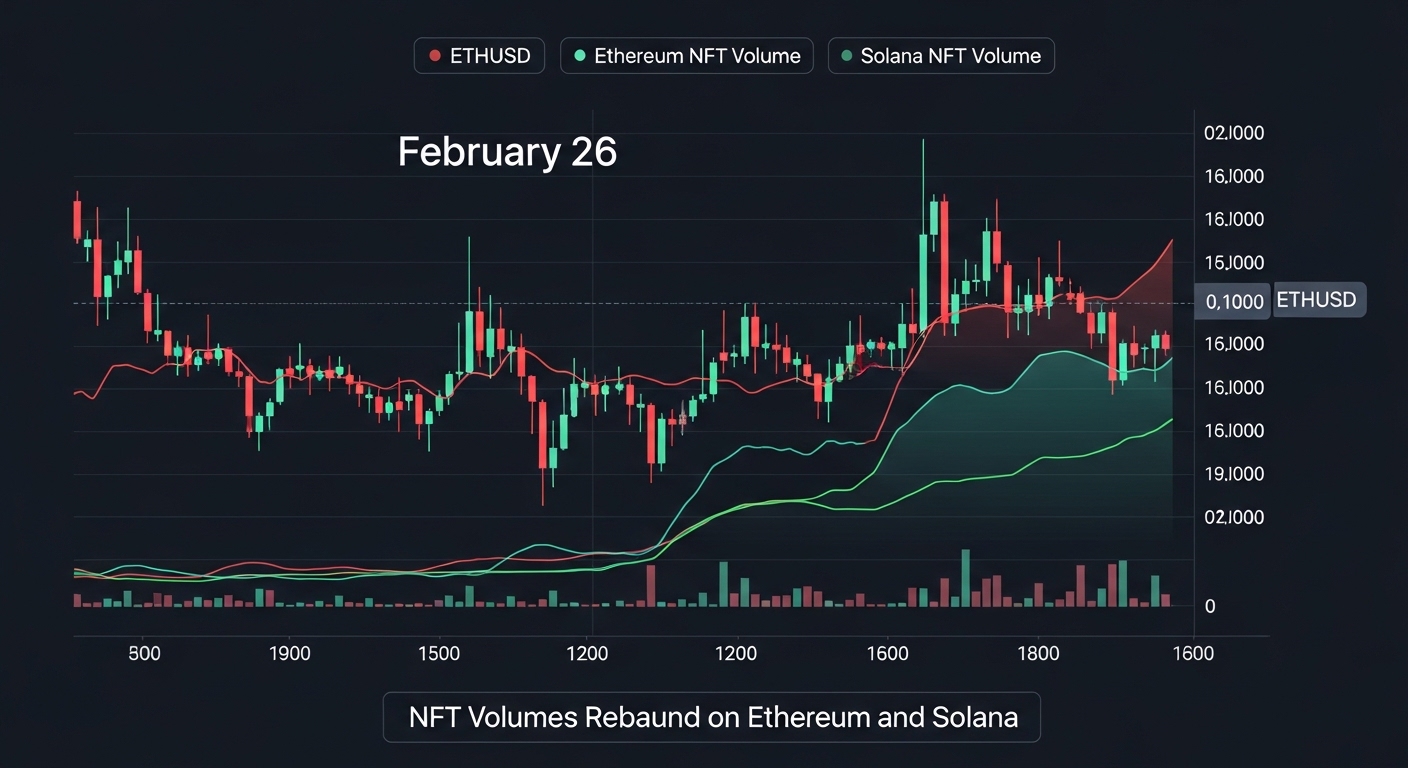
Technological innovation underpins NFT market growth on both Ethereum and Solana. Layer-2 scaling solutions, efficient consensus mechanisms, and advanced marketplace platforms enhance user experience, reduce transaction costs, and facilitate seamless trading. These developments encourage broader participation, attract new collectors, and support sustainable market expansion.
As NFT ecosystems evolve, ETHUSD trends are likely to remain closely linked to transactional activity and investor engagement. Understanding the technological and market forces driving these trends provides valuable insight for long-term strategy and decision-making.
Risk Factors and Market Volatility
Despite positive momentum, NFT markets remain susceptible to volatility. Rapid price movements, speculative trading, and market sentiment shifts can lead to sudden corrections in both NFTs and ETHUSD. Participants must remain aware of liquidity constraints, project-specific risks, and macroeconomic factors that can impact market stability.
Investors and collectors are advised to manage risk through diversification, due diligence, and careful analysis of transactional trends. Monitoring network activity, NFT volumes, and price correlations helps mitigate potential losses and optimize strategic opportunities.
Strategic Planning for Market Participants
Effective strategy in NFT markets involves balancing short-term engagement with long-term objectives. Collectors and investors should focus on value-based acquisitions, portfolio diversification, and awareness of evolving blockchain ecosystems. Staying informed about market developments, regulatory considerations, and technological advancements enhances decision-making and positions participants to capitalize on growth while mitigating volatility.
Conclusion
ETHUSD today reflects a significant rebound in NFT volumes on Ethereum and Solana, signaling renewed market activity and investor confidence. This surge underscores the importance of layer-1 blockchains in facilitating digital asset transactions and highlights the growing relevance of NFTs within the broader cryptocurrency ecosystem.
While rapid growth presents opportunities, it also introduces risks related to market volatility, liquidity constraints, and speculative behavior. Understanding the interplay between ETHUSD trends, NFT activity, and blockchain network dynamics is essential for collectors, investors, and market participants. The ongoing evolution of Ethereum and Solana ecosystems, combined with technological innovation and expanding adoption, positions the NFT market for sustainable growth in the months ahead.
FAQs
Q: What factors contributed to the rebound in NFT volumes on Ethereum and Solana today, and how does this influence ETHUSD trends?
The rebound in NFT volumes today is driven by increased marketplace activity, new NFT collection launches, and rising institutional and retail participation. Ethereum benefits from smart contract infrastructure and established networks, while Solana attracts traders with low-cost, high-speed transactions. These factors increase transactional demand for ETH, influencing ETHUSD price trends and reflecting broader investor confidence in blockchain-based assets.
Q: How does NFT market activity on Ethereum and Solana impact the overall cryptocurrency ecosystem?
NFT market activity enhances liquidity, supports network utilization, and promotes adoption of digital assets. High NFT volumes increase demand for Ethereum and Solana tokens, positively affecting market capitalization and price trends. The growth in NFT trading also encourages technological development, cross-chain engagement, and institutional participation, strengthening the broader cryptocurrency ecosystem and providing opportunities for both collectors and investors.
Q: What risks should collectors and investors consider amid the current NFT market rebound?
Risks include market volatility, speculative price fluctuations, liquidity constraints, and project-specific uncertainties. Rapid growth can lead to overbought conditions, creating potential for corrections in both NFTs and ETHUSD. Investors should manage risk through diversification, due diligence, and monitoring network activity, transaction volumes, and macroeconomic factors to navigate potential downturns effectively.
Q: How do technological developments on Ethereum and Solana drive NFT market growth?
Technological advancements, including layer-2 scaling solutions, efficient consensus protocols, and advanced marketplace platforms, enhance user experience, reduce transaction costs, and enable faster trading. These developments attract a larger audience, support liquidity, and facilitate cross-chain interactions, fostering long-term NFT adoption. The integration of these technologies directly impacts ETHUSD trends by influencing transactional demand and market participation.
Q: What long-term strategies can NFT investors adopt to capitalize on market growth while mitigating volatility?
Long-term strategies include diversifying holdings across Ethereum, Solana, and other blockchain networks, conducting thorough research on NFT projects, and focusing on value-based acquisitions. Investors should monitor market trends, network activity, and technological developments to anticipate potential shifts. Balancing short-term engagement with long-term planning helps manage volatility and positions participants to benefit from sustainable growth in the NFT and broader cryptocurrency markets.