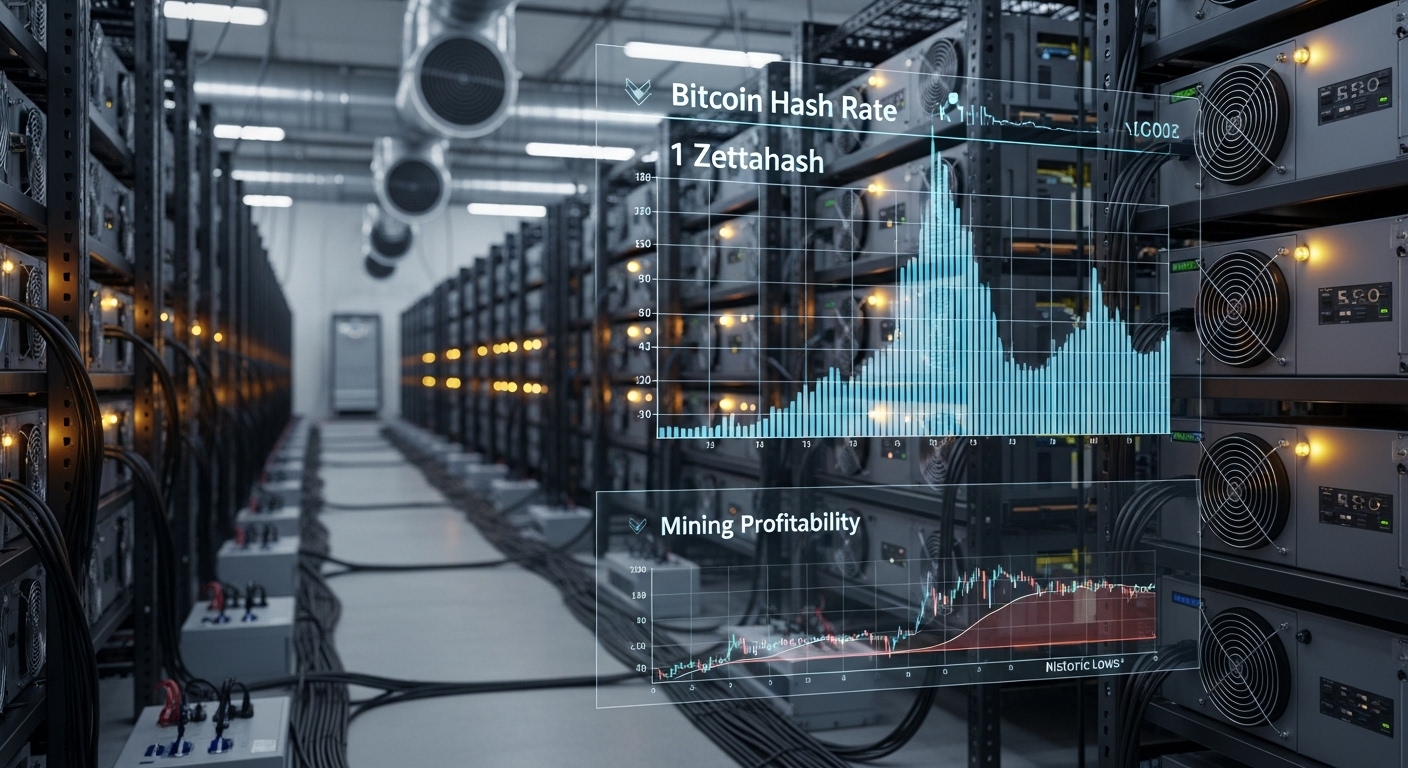
The world of Bitcoin mining is once again capturing headlines as the Bitcoin network’s hash rate climbs back above the monumental threshold of 1 zettahash per second. This level of computational power reflects a robust and expanding global mining ecosystem, with machines operating at unrivaled scales to secure the network and validate transactions. Yet this resurgence in mining strength comes with a striking paradox . Despite record‑level hashing power, miners’ profit margins remain unusually compressed compared to historical averages. In an era where Bitcoin’s price, energy costs, block rewards, and mining difficulty are in constant flux. These contrasting forces paint a complex portrait of the incentives and pressures shaping the backbone of Bitcoin’s proof‑of‑work infrastructure.
The recent surge in hash rate highlights the optimism and investment still flowing into mining infrastructure, even as revenue pressures mount. That miners are willing to deploy tens of thousands of purpose‑built rigs, often in harsh climates and high‑cost environments, underscores enduring confidence in Bitcoin’s long‑term viability. At the same time, the fact that profitability is near historic lows raises questions about operational sustainability, strategic adaptation, and the broader economics of cryptocurrency mining. We will explore the multi‑layered dynamics behind the hash rate rebound, the forces compressing profit margins, and what these conditions mean for miners, investors, and the future of Bitcoin itself.
The Significance of the Hash Rate Climbing Above 1 Zettahash
The climb of the Bitcoin network hash rate above 1 zettahash per second is emblematic of immense computational effort being devoted to securing the blockchain. One zettahash represents a quintillion (that is a billion billion) hashing operations per second, and achieving this milestone not only reflects improved hardware deployment. A strong collective belief in the incentive mechanisms that underpin Bitcoin’s decentralized infrastructure.
Historically, the hash rate has served as a proxy for miner confidence and market conditions. When prices rise and rewards appear attractive, miners tend to expand capacity, buying next‑generation rigs and deploying more machines. Conversely, during periods of falling prices or increasing costs, some miners shut down less efficient hardware or exit the market entirely. In this context, breaking past the 1 zettahash threshold signals that miner participation is not only sustained but growing, even against the backdrop of profit margin pressure.
The increase in global hashing power also enhances network security. Higher hash rate means greater resistance to potential attacks or manipulations on the blockchain. It demonstrates that miners across continents—from data centers in cold climates to bespoke facilities near renewable energy sources—are collectively contributing more processing power than ever before. This growth in collective computing strength reassures users, investors, and developers that the network remains robust and resilient.
However, hash rate growth does not occur in isolation. It interacts with other forces like mining difficulty adjustments, price dynamics, and energy cost considerations. For miners, the race to accumulate hashing power is not just a matter of prestige but survival. As new rigs outperform older ones and competition intensifies. Those operators who can innovate, cut costs, and access cheap energy will be better positioned to endure periods of narrower profit margins.
What Drives Profit Margins to Historic Lows?
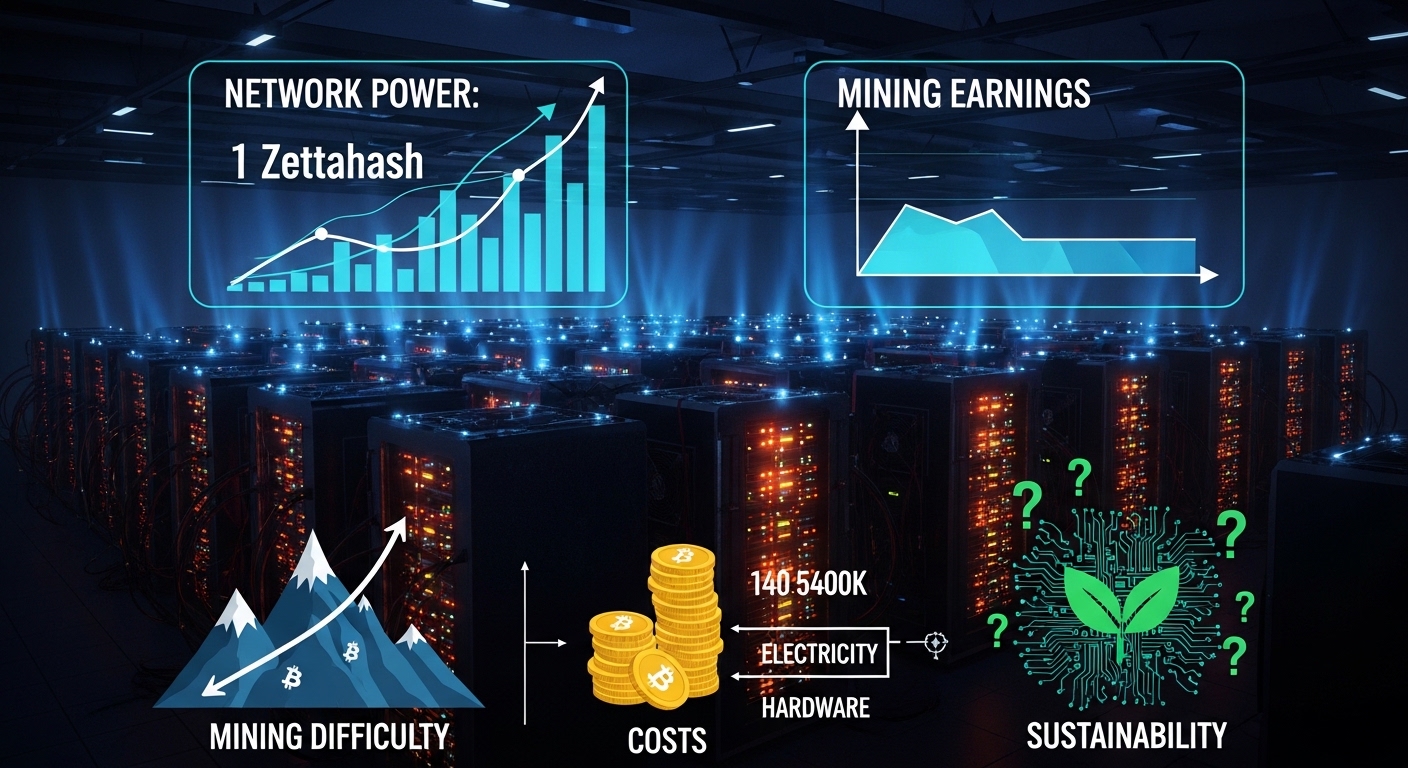
While the hash rate surge reflects confidence in the Bitcoin network, the persistence of profit margins near historic lows highlights the financial strain facing many operations. Several critical factors contribute to this dynamic, each affecting mining economics in different ways.
First, Bitcoin’s price plays a foundational role. Mining rewards are denominated in Bitcoin, but costs—including energy, hardware, cooling, and labor—are usually incurred in fiat currencies. When Bitcoin’s price stagnates or grows slowly, the relative value of mining rewards can dwindle when compared to operational expenses. This creates a squeeze on margins, especially for miners who cannot offset costs with scale or lower energy tariffs.
Second, mining difficulty automatically adjusts to network hash rate to maintain average block times near ten minutes. As more miners compete, difficulty rises, necessitating more hashing power to earn the same rewards. While this mechanism stabilizes transaction confirmation times, it also means that even as hash rate grows, individual miners must spend proportionally more on electricity and maintenance to earn equivalent yields. This interplay between hash rate growth and difficulty is a defining feature of the Bitcoin mining ecosystem.
Third, energy costs are perhaps the most tangible and variable factor. Electricity prices differ dramatically depending on region, energy sources, and regulatory environments. In high‑cost areas, even the latest rigs may struggle to generate profit at low Bitcoin prices. Conversely, miners in regions with subsidized power or abundant renewable energy have a competitive edge, enabling them to operate even as margins tighten.
Additionally, the capital cost of hardware is significant. The most efficient machines use cutting‑edge chips and cooling designs, but they also carry high upfront expenses. With rapid technological obsolescence, miners face pressure to continually reinvest in new equipment to remain competitive, even when short‑term profitability is compressed.
Finally, broader macroeconomic conditions influence investment decisions and financing costs. Higher interest rates, inflationary pressures, and reduced access to cheap capital can squeeze operations that rely on debt or leasing agreements for equipment acquisition. When credit is expensive or difficult to obtain, the cost of expansion rises, further compressing margins.
The Role of Energy Costs and Mining Geography
Energy costs are perhaps the most critical determinant of mining profitability, shaping where operations are located and how they scale. While Bitcoin mining can technically occur anywhere. In practice miners seek out places with cheap, reliable power and supportive regulatory frameworks. This pursuit of affordable energy has driven mining hubs to emerge in specific regions known for plentiful electricity.
Miners frequently cluster where energy is abundant and inexpensive, such as near hydroelectric dams, geothermal fields, or areas with surplus renewable generation. These locations offer competitive advantages because they reduce one of the largest recurring expenses in mining operations. Lower energy costs translate directly into higher profit potential, particularly when Bitcoin prices remain static or dip.
However, energy markets are not static. Seasonal changes, grid constraints, and regulatory shifts can quickly alter the economics of mining in a given region. For example, miners who once relied on surplus energy during low demand periods may find that grid operators restrict electricity access during peak times, forcing them to pay higher rates or curtail operations.
The challenge is compounded in areas where energy infrastructure is underdeveloped or subject to political pressure. Some jurisdictions impose tariffs or restrictions on mining activities to prioritize local power needs for residential and industrial users. This can lead to abrupt changes in cost structures and operational viability.
Despite these challenges, many miners are investing in renewable energy partnerships or co‑locating with energy producers to secure long‑term power agreements. Such strategies not only improve margin prospects but also address growing concerns about mining’s environmental footprint. Renewable sources like hydroelectric, wind, and solar offer a dual advantage of low cost and reduced carbon emissions, aligning mining operations with sustainability goals that increasingly influence investor and public sentiment.
Ultimately, the geography of Bitcoin mining reflects a blend of economic calculus and energy availability. Regions that align these elements effectively will likely continue attracting miners even as profit margins remain under pressure.
Technological Advances and Their Impact on Mining Efficiency
Technological innovation has always played a pivotal role in Bitcoin mining, shaping not only the competitiveness of operations but also the broader financial outcomes. The continuous evolution of mining hardware—from early CPUs to GPUs, and now into highly specialized ASICs—has dramatically increased the hash rate per joule of energy consumed.
Today’s most efficient mining rigs deliver performance orders of magnitude greater than earlier models, enabling operators to achieve higher hash rates with lower energy consumption. This technological progress drives up the overall network hash rate while reducing the proportion of electricity used per unit of computational work. For individual miners, access to the latest hardware can mean the difference between operating at a profit or running at a loss.
However, the rapid pace of technological change also presents challenges. Newer machines command premium prices, and sourcing them amid supply constraints can be difficult. Miners who cannot secure cutting‑edge rigs risk falling behind as older machines become less competitive. This dynamic contributes to the polarization between large, well‑capitalized operations and smaller miners who lack the financial resources to continually upgrade.
Beyond hardware, advancements in cooling systems, energy management software, and data center design also influence mining outcomes. Efficient heat dissipation and optimized power usage reduce energy waste and contribute to lower operational costs. Some large miners utilize innovative cooling techniques such as immersion cooling or leveraging natural climate conditions—to enhance performance and reduce energy draw.
In addition, mining pools play a significant role in how rewards are distributed and how individual miners experience earnings volatility. Pools enable miners to combine hashing power and share rewards more predictably, smoothing income streams. This can be especially important when profit per block is low and individual miners face unpredictable reward intervals.
As technological ecosystems evolve, so too does the sophistication of mining operations. Enterprises that integrate the latest hardware, cooling innovations, and operational efficiencies are better positioned to endure periods of compressed profits.
Regulatory Landscape and Its Influence on Mining Profitability
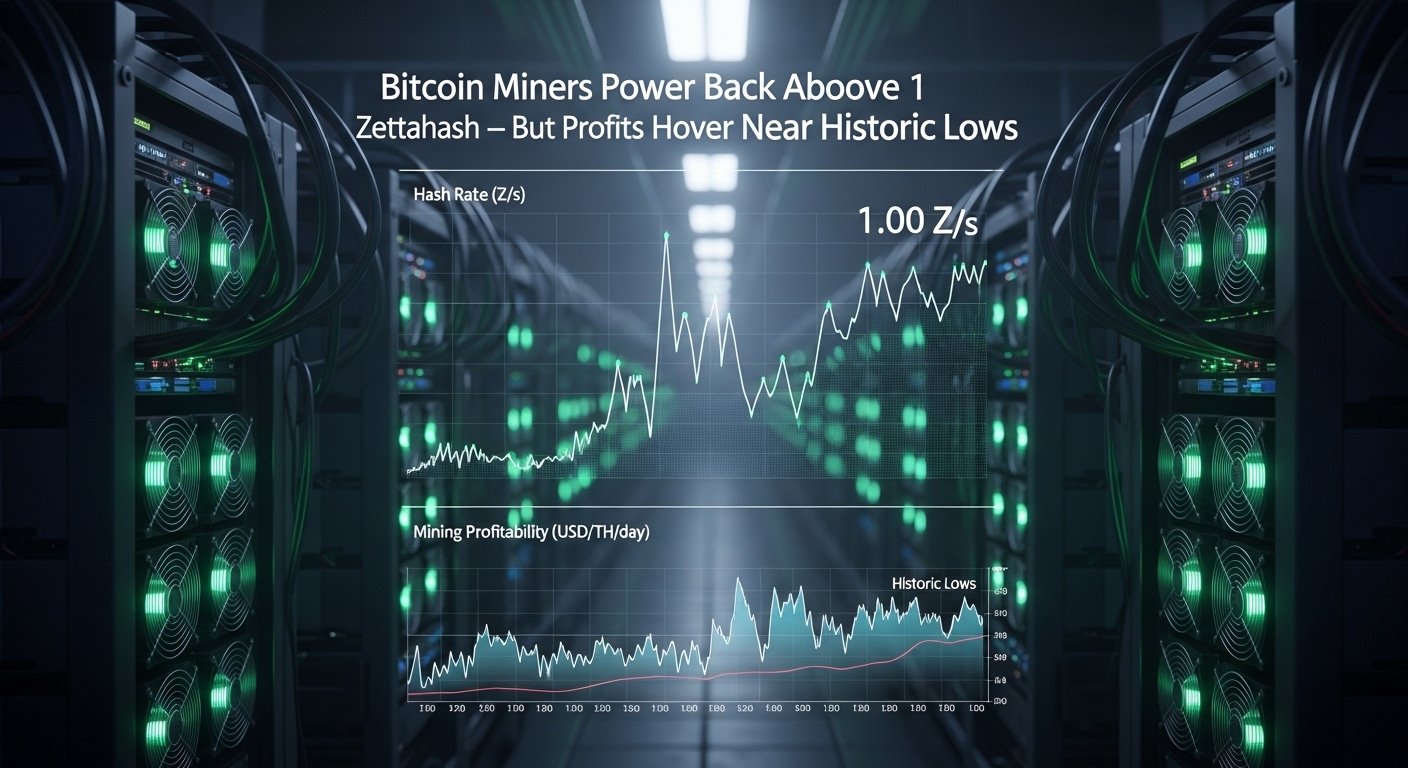
The regulatory environment is another critical factor affecting Bitcoin mining profitability and strategic planning. Across different jurisdictions, governments vary widely in their approach to cryptocurrency mining, ranging from supportive policies and incentives to restrictive regulations or outright bans.
In regions that offer clarity and supportive frameworks, miners can operate with a degree of certainty about taxation, energy use, and financial compliance. This regulatory predictability encourages investment and long‑term planning, enabling miners to optimize operations and secure financing. Conversely, regulatory ambiguity or abrupt policy shifts can inject risk and uncertainty, discouraging capital deployment and potentially prompting miners to relocate.
Some countries have implemented favorable tax regimes for miners, recognizing the economic potential in technology investment and infrastructure development. Others view mining with skepticism due to concerns about energy consumption, environmental impact, or financial system integration. These differing perspectives shape where mining clusters emerge and how miners structure their operations.
Regulatory changes also influence how miners handle revenue, reporting, and taxation. Clear guidelines regarding how mining income is classified and taxed provide essential certainty for financial forecasting. Without such guidance, miners may face unexpected liabilities or compliance costs that erode profitability.
Because the regulatory landscape is constantly evolving, miners closely monitor policy developments worldwide. A shift toward more favorable treatment in one country can attract capital and operations. While restrictive measures in another can cause swift exits. This fluid regulatory environment adds another layer of complexity to mining economics, especially in periods when profit margins are already under pressure.
What the Current Environment Means for Miners and Investors
The juxtaposition of a climbing hash rate and compressed profit margins creates a nuanced reality for both miners and investors in the crypto ecosystem. For miners, the current environment underscores the importance of operational efficiency, access to cheap energy, and strategic deployment of advanced hardware. Those who master these variables can sustain operations and capture rewards even when margins are lean.
For investors, the dynamics reveal both risk and opportunity. A high hash rate signals strong global participation in network security, reinforcing confidence in Bitcoin’s foundational infrastructure. At the same time, low profit margins heighten sensitivity to changes in Bitcoin’s price, energy costs, and regulatory conditions. Investors must weigh these elements when evaluating mining stocks, hash rate derivatives, or ventures tied to mining.
From a broader market perspective, the stability and resilience of Bitcoin’s mining network have implications for price discovery, network usage, and long‑term adoption. A healthy hash rate supports the integrity of the blockchain, which in turn fosters trust among holders, traders, and institutions engaging with Bitcoin as an asset. Yet the financial strain on miners underscores the need for adaptable strategies and ongoing innovation to sustain this ecosystem.
Conclusion
The resurgence of the Bitcoin network hash rate above 1 zettahash per second illustrates the enduring strength and appeal of the Bitcoin mining sector, even as profit margins linger near historic lows. This convergence of high computational power and compressed profitability reflects the interplay of price dynamics, energy costs, technological advancement, and regulatory influences. Miners around the globe continue to invest in hardware, innovate operationally, and seek out cost‑efficient energy sources in pursuit of sustainable operations. Meanwhile, investors and market observers watch closely, recognizing . The economics of mining offer critical insights into broader trends in adoption, security, and network health.
The current environment emphasizes that while Bitcoin mining remains competitive and strategically vital to the network, miners must navigate a complex landscape of costs, technological demands, and policy considerations. As the industry evolves and adapts, the long‑term outcomes will depend on balance—between growth and efficiency, between innovation and risk, and between the incentives that draw miners into the network and the pressures that shape their profitability.
FAQs
Q: Why does the Bitcoin network hash rate rising above 1 zettahash matter for the cryptocurrency ecosystem?
When the Bitcoin network’s hash rate climbs above 1 zettahash, it showcases a remarkable level of computational effort dedicated to securing the blockchain. A higher hash rate increases protection against potential attacks, reinforces transactional integrity, and signals robust participation by miners worldwide. This threshold indicates widespread confidence in Bitcoin’s infrastructure, because miners are deploying substantial resources to validate transactions and earn block rewards. For the broader cryptocurrency ecosystem, this milestone reflects the foundational strength of Bitcoin’s decentralized proof‑of‑work mechanism . Reassuring holders and investors that the network’s security continues to scale alongside demand and technological progress.
Q: How can Bitcoin miners operate at low profit margins while the hash rate remains strong?
Bitcoin miners can continue operating at low profit margins for several reasons. First, miners with access to low‑cost energy, such as those leveraging renewables or surplus industrial power, can sustain operations even when revenue per coin is modest. Second, miners often accumulate Bitcoin rewards with a long‑term perspective, expecting future price appreciation rather than immediate fiat income. Third, mining pools help smooth revenue variability for smaller operators, enabling consistent earnings despite competitive pressure. Additionally, technological efficiencies and strategic financing allow some miners to weather periods of compressed profitability, keeping hardware online and contributing to the rising hash rate.
Q: What role do energy costs play in shaping where and how Bitcoin mining operations function?
Energy costs are one of the central determinants of Bitcoin mining profitability because mining rigs consume significant electricity. Regions with inexpensive, reliable power attract miners who can reduce one of their biggest recurring expenses, improving margins even in tight markets. Access to low‑cost energy sources such as hydroelectric, geothermal, or excess renewable electricity can provide a competitive advantage. Conversely, high electricity prices erode profit potential and may cause miners to curtail operations or relocate. The geography of mining hubs often reflects where energy markets align with operational economics, making energy cost structures critical to mining decisions.
Q: How do regulatory conditions affect Bitcoin mining profitability and strategic planning?
Regulatory environments significantly influence mining profitability and long‑term planning. Jurisdictions with clear, supportive policies on energy use, taxation, and cryptocurrency operations provide certainty that encourages investment and expansion. In these regions, miners can forecast costs and compliance requirements with confidence. In contrast, unclear or restrictive regulatory approaches introduce risk. Potentially leading to abrupt policy shifts that disrupt operations. Regulatory treatment of mining income, reporting standards, and energy allocations all shape how miners structure their businesses. Because policies evolve, miners remain vigilant about regulatory developments. Favorable frameworks can attract new capital while restrictive policies may drive operations elsewhere.
Q: What should investors consider when evaluating Bitcoin mining operations amid low profitability and rising hash rates?
Investors evaluating Bitcoin mining ventures should consider several key factors. Understanding the cost structure, particularly energy expenses and hardware quality, is essential because these directly influence profit potential. Assessment of management expertise, geographic positioning, and access to cheap power helps gauge operational resilience. Investors should also weigh the impact of Bitcoin price volatility, regulatory environments, and competitive pressures within the mining landscape. A high hash rate implies network strength, but low profitability underscores sensitivity to market conditions. A nuanced view that balances risk tolerance with long‑term expectations about Bitcoin adoption, energy trends, and technological advancements is crucial for informed investment decisions in the mining sector.