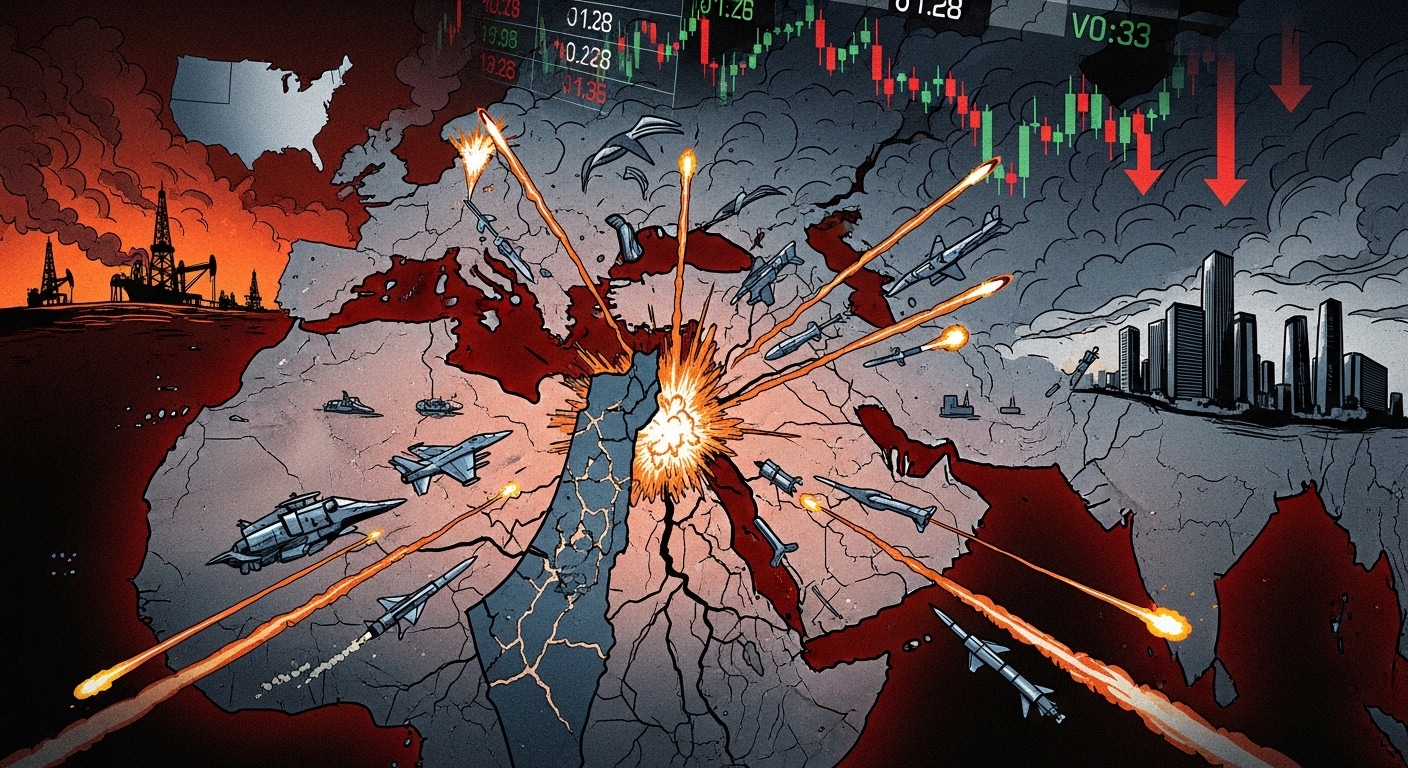
Regional war fears mount as Iran, Israel, and U.S. exchange strikes in a rapidly escalating cycle of retaliation that has unsettled the Middle East and drawn urgent international attention. What began as targeted military operations has evolved into a tense and unpredictable confrontation involving three powerful actors with deep-rooted rivalries and competing strategic goals. As missile strikes, air defense systems, and military deployments intensify, analysts warn that the risk of a broader regional war is growing.
The Middle East has long been a flashpoint of geopolitical rivalry, but the current standoff between Iran, Israel, and the United States represents a particularly volatile chapter. Each side frames its actions as defensive, yet the exchange of strikes signals a dangerous spiral. Global markets have reacted sharply, oil prices have fluctuated, and diplomatic channels are working overtime to prevent a full-scale regional conflict.
This article explores how regional war fears mount as Iran, Israel, and U.S. exchange strikes, examining the background of tensions, the immediate triggers, the military implications, and the broader consequences for global stability.
The Historical Context Behind the Escalation
The roots of the current crisis stretch back decades. Since the 1979 Islamic Revolution, Iran has positioned itself as a staunch opponent of Israel. Tehran’s support for armed groups hostile to Israel has been a cornerstone of its regional strategy. In response, Israel has consistently sought to counter what it sees as an existential threat, especially regarding Iran’s nuclear ambitions.
Over the years, a “shadow war” has unfolded through cyberattacks, covert operations, and proxy conflicts. However, the current moment marks a significant shift from indirect confrontation to more overt military engagement. As regional war fears mount as Iran, Israel, and U.S. exchange strikes, observers note that the boundaries of this shadow conflict are eroding.
The United States’ Strategic Role
The United States has long been Israel’s closest ally and maintains a substantial military presence in the Middle East. Washington’s strategic goals include ensuring Israel’s security, deterring Iranian influence, and safeguarding global energy routes.
When direct exchanges between Iran and Israel escalate, the U.S. often becomes involved, either through defensive measures or retaliatory actions. This triangular dynamic significantly heightens the stakes. As regional war fears mount as Iran, Israel, and U.S. exchange strikes, the possibility of miscalculation increases dramatically.
The Recent Exchange of Strikes
Triggering Events and Immediate Reactions
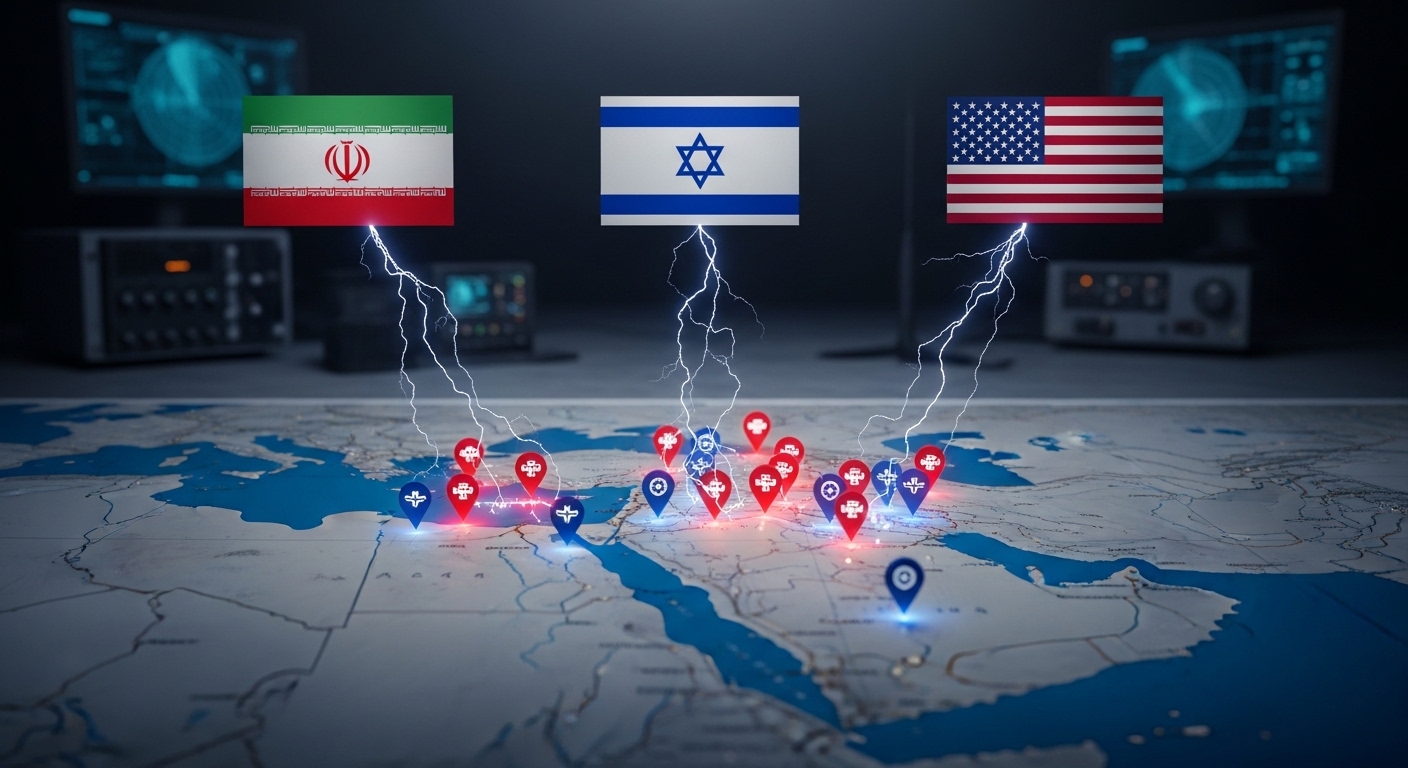
The latest escalation reportedly began with targeted strikes attributed to Israel against Iranian-linked facilities. Tehran responded with missile launches and drone attacks aimed at Israeli territory and U.S. assets in the region. The United States, citing the protection of its personnel and interests, conducted retaliatory strikes.
These developments have fueled headlines worldwide, reinforcing the narrative that regional war fears mount as Iran, Israel, and U.S. exchange strikes in quick succession. Military officials from all sides have emphasized their readiness while simultaneously signaling a preference for avoiding all-out war.
Military Capabilities and Strategic Messaging
Iran has invested heavily in ballistic missile technology, armed drones, and regional proxy networks. Israel, equipped with advanced air defense systems such as multi-layered missile shields, has demonstrated a capacity to intercept incoming threats while carrying out precision strikes.
The United States brings unmatched airpower, naval capabilities, and intelligence resources. The deployment of aircraft carriers and additional forces to the region sends a clear signal of deterrence. As regional war fears mount as Iran, Israel, and U.S. exchange strikes, each side appears intent on demonstrating strength without crossing a threshold that would trigger full-scale war.
Regional Implications Across the Middle East
Impact on Neighboring Countries
The Middle East is a complex web of alliances and rivalries. Countries such as Lebanon, Syria, Iraq, and Gulf states are deeply affected by the rising tensions. Many host U.S. military bases or maintain sensitive relationships with Iran and Israel.
As regional war fears mount as Iran, Israel, and U.S. exchange strikes, neighboring governments face difficult choices. Some attempt diplomatic mediation, while others strengthen their own defenses in anticipation of potential spillover violence.
Risk of Proxy Escalation
A major concern is the activation of proxy forces aligned with Iran. Groups operating in various parts of the region could open additional fronts, dramatically expanding the conflict. Israel has repeatedly warned against such moves, and the U.S. has issued stern warnings about consequences. If these proxy networks become more directly involved, the fragile balance could collapse, transforming limited exchanges into a broader regional conflict.
Global Economic Consequences
Oil Markets and Energy Security
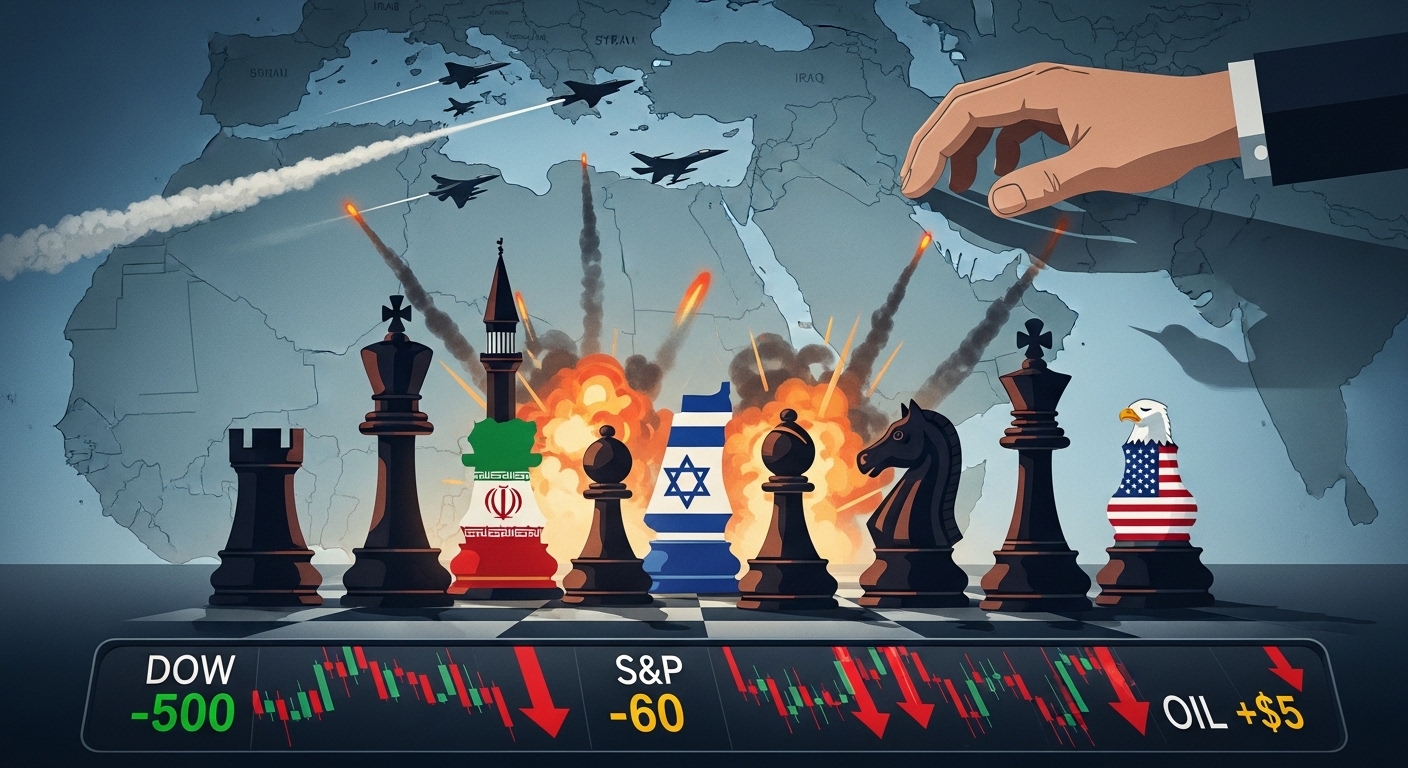
The Middle East plays a critical role in global energy supply. As regional war fears mount as Iran, Israel, and U.S. exchange strikes, oil markets react swiftly. Even the perception of instability near key shipping lanes can push prices higher. Energy-importing countries feel immediate pressure, while exporters navigate uncertainty. Disruptions in supply chains and shipping routes could exacerbate inflation and strain global economic recovery.
Financial Markets and Investor Confidence
Global stock markets tend to respond negatively to geopolitical instability. The exchange of strikes among major regional players introduces uncertainty, prompting investors to seek safe-haven assets. Currency markets also experience volatility. As the situation unfolds, policymakers worldwide closely monitor developments to assess potential ripple effects on trade, inflation, and economic growth.
Diplomatic Efforts to Prevent a Regional War
International Mediation Attempts
Despite the escalating rhetoric, diplomatic channels remain active. Major powers and regional actors are engaging in backchannel communications aimed at de-escalation. The United Nations has called for restraint, emphasizing the catastrophic consequences of a broader war. Regional war fears mount as Iran, Israel, and U.S. exchange strikes, but diplomacy remains a critical tool. Quiet negotiations and crisis management mechanisms may help prevent further escalation.
Balancing Deterrence and De-Escalation
Each side faces a delicate balancing act. Leaders must project strength to deter adversaries while avoiding actions that could provoke uncontrolled retaliation. This tightrope walk defines the current phase of the crisis. Public statements often contain both warnings and reassurances, reflecting the complex interplay between domestic politics and international strategy.
The Nuclear Dimension and Strategic Calculations
Concerns Over Iran’s Nuclear Program
Iran’s nuclear ambitions have long been a source of tension. While Tehran insists its program is peaceful, Israel views it as an existential threat. The United States has sought diplomatic solutions but has also imposed sanctions and maintained military deterrence. As regional war fears mount as Iran, Israel, and U.S. exchange strikes, concerns grow that escalation could derail any remaining prospects for diplomatic agreements on nuclear oversight.
Strategic Red Lines
Each actor has articulated certain red lines. Crossing these could trigger a far more severe response. The challenge lies in interpreting actions accurately amid the fog of conflict. Misunderstandings or miscalculations could rapidly intensify the situation.
Public Opinion and Domestic Pressures
National Sentiment and Political Leadership
Domestic politics significantly influence decision-making. Leaders in Iran, Israel, and the United States face pressure from constituents demanding security and strength. Public sentiment often hardens during periods of external threat.
Regional war fears mount as Iran, Israel, and U.S. exchange strikes, and political leaders must navigate both international diplomacy and domestic expectations.
Media Narratives and Information Warfare
Modern conflicts unfold in the digital age. Social media amplifies images and narratives, shaping public perception. Competing claims about responsibility and success in military exchanges complicate efforts to establish clear facts.
Information warfare adds another layer of complexity to an already volatile situation.
Possible Scenarios Moving Forward
Controlled De-Escalation
One possible outcome is a gradual reduction in hostilities through mediated agreements and mutual restraint. Limited strikes may give way to diplomatic engagement, lowering the immediate risk of broader conflict.
Prolonged Low-Intensity Conflict
Another scenario involves sustained but limited exchanges, with neither side seeking full-scale war. This prolonged tension could destabilize the region without triggering outright confrontation.
Full-Scale Regional War
The most alarming possibility is a broader regional war involving multiple states and non-state actors. Such a conflict would have devastating humanitarian and economic consequences. As regional war fears mount as Iran, Israel, and U.S. exchange strikes, this scenario remains a grave concern for global leaders.
Conclusion
Regional war fears mount as Iran, Israel, and U.S. exchange strikes in a dangerous escalation that underscores the fragility of Middle Eastern stability. Decades of hostility, competing strategic interests, and domestic political pressures have converged into a volatile moment.
While each actor insists it seeks to avoid full-scale war, the rapid exchange of strikes raises the risk of miscalculation. The global implications are profound, affecting energy markets, financial systems, and international security. Ultimately, diplomacy, restraint, and clear communication will be essential to preventing further escalation. The coming weeks will determine whether this crisis subsides into cautious stability or expands into a broader regional conflict with far-reaching consequences.
FAQs
Q; Why are regional war fears mounting now?
Regional war fears mount as Iran, Israel, and U.S. exchange strikes in quick succession, signaling a shift from indirect confrontation to more direct military engagement.
Q;Could this conflict turn into a full-scale regional war?
While all sides claim to seek limited objectives, miscalculations or proxy involvement could expand the conflict into a broader regional war.
Q;How does this affect global oil prices?
The Middle East’s central role in energy production means that rising tensions can disrupt supply routes and increase oil price volatility.
Q; What role does the United States play in the conflict?
The United States supports Israel’s security, maintains regional military assets, and responds to threats against its forces, making it a key participant in the escalating exchanges.
Q;Are diplomatic efforts underway to reduce tensions?
Yes, international mediators and regional actors are actively pursuing diplomatic channels to prevent further escalation and restore stability.