Humanitarian aid has always carried a difficult challenge: moving resources quickly and fairly in environments where time, trust, and transparency are often in short supply. Whether it is disaster relief after floods, emergency food assistance in conflict zones, or long-term development funding in underserved communities, aid organizations face familiar problems year after year. Distribution systems can be slow. Financial corridors can be expensive. Corruption and leakage can drain resources before they reach the people who need them most. Even when aid is delivered successfully, donors frequently lack visibility into how their contributions were used, which leads to reduced confidence and fewer future donations.
In 2025, the humanitarian sector is increasingly turning to blockchain not as a trendy experiment, but as a practical infrastructure layer for accountability and speed. Among the blockchain platforms being explored, Algorand (ALGO) stands out as a network built for high performance, reliability, and low transaction costs. Algorand (ALGO) is not just another cryptocurrency. It is a high-performance blockchain that enables transparent value transfer, secure identity solutions, and trackable aid flows without the friction of traditional intermediaries.
The Algorand (ALGO) ecosystem is especially well-positioned to support humanitarian aid because it offers fast finality, low fees, and efficient scalability, which are critical for real-time distribution in crisis settings. In 2025, as more organizations look for measurable impact and clearer reporting, Algorand (ALGO) is becoming a powerful tool for humanitarian innovation. This article explores how Algorand (ALGO) is revolutionizing humanitarian aid in 2025, how its architecture supports real-world relief efforts, and why it is emerging as a trusted infrastructure for global assistance.
Understanding Algorand (ALGO): A Humanitarian-Ready Blockchain in 2025
Algorand (ALGO) is designed to solve many of the problems that have historically limited blockchain adoption in high-stakes settings like humanitarian aid. Unlike slower networks that experience congestion and high fees, Algorand (ALGO) is engineered for speed and affordability. This matters because in humanitarian contexts, every delay can translate into human suffering. Every extra fee is a reduction in the amount of aid delivered.
At its core, Algorand (ALGO) operates as a proof-of-stake blockchain that confirms transactions quickly and securely. Its structure allows for a large number of transactions to be processed efficiently, which is essential for humanitarian programs that may need to distribute micro-payments to thousands or even millions of recipients. It also supports advanced features such as tokenization, smart contracts, and asset issuance, which enables aid organizations to create custom digital assets like food vouchers, emergency cash tokens, or trackable donation units.
What makes Algorand (ALGO) particularly useful in 2025 is how it aligns with humanitarian priorities. Relief systems must be transparent to prevent misuse, but they must also respect privacy and safety for vulnerable populations. Algorand (ALGO) supports the development of solutions that can provide transparency without exposing sensitive personal data publicly. This balance is one of the key reasons the Algorand (ALGO) blockchain is being seen as a practical foundation for modern humanitarian delivery.
Why Humanitarian Aid is Evolving in 2025
Humanitarian operations are expanding in complexity. The number of displaced people globally has continued to rise, climate-related disasters are becoming more frequent, and the cost of delivering aid has increased. In this environment, donors and agencies are under pressure to prove that aid is reaching the intended recipients efficiently. In 2025, transparency is no longer optional—it is expected.
At the same time, many communities receiving aid now have better access to mobile phones and digital financial services than they did a decade ago. This shift has created an opening for digital aid distribution systems that can deliver assistance directly to recipients without requiring a heavy physical infrastructure. Yet even digital systems face trust barriers, especially in regions where institutions are weak. That is where Algorand (ALGO) can act as a neutral ledger for accountability.
The humanitarian sector is also facing demands for better data management. Agencies often operate in silos, using separate databases that do not connect. This fragmentation can lead to duplicated efforts, inaccurate reporting, and gaps in coverage. Algorand (ALGO) offers a shared, verifiable layer where transactions and program events can be recorded immutably. In 2025, this type of transparent ledger technology can help humanitarian systems coordinate more effectively and reduce waste.
How Algorand (ALGO) Enhances Transparency and Trust in Humanitarian Funding
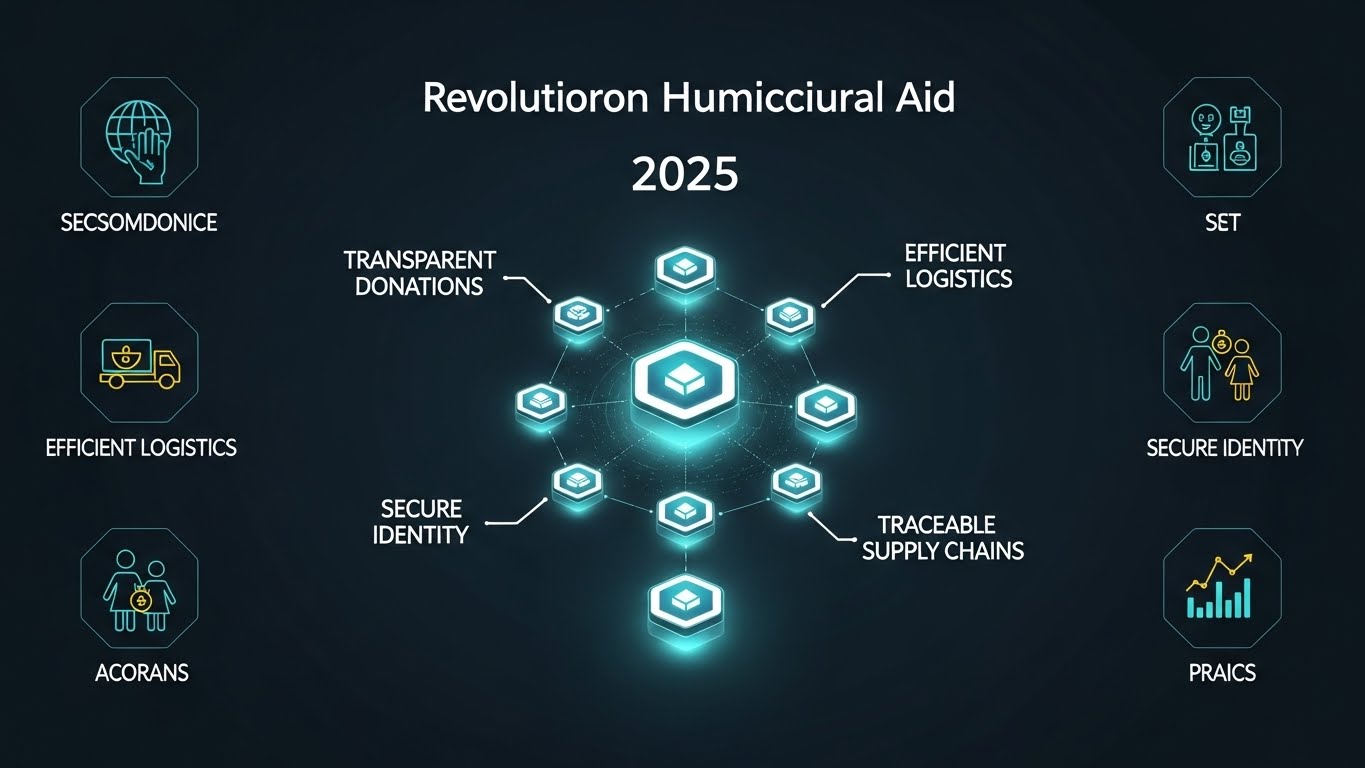
A major promise of Algorand (ALGO) in humanitarian aid is its ability to create end-to-end traceability. Traditional donation systems often rely on multiple intermediaries such as banks, processors, and regional partners. Each step adds cost, delay, and the possibility of misreporting. With Algorand (ALGO), donations can be tracked from the moment they are received to the moment they are spent or redeemed, creating a clear and verifiable audit trail.
This transparency matters for multiple stakeholders. Donors can see how funds were allocated. Aid organizations can demonstrate compliance and accountability. Governments can verify that international assistance is used appropriately. Most importantly, beneficiaries gain confidence that the system is fair and consistent.
The strength of Algorand (ALGO) lies in its ability to enable real-time tracking without creating an administrative burden. Rather than relying on manual reporting or periodic audits, program transactions can be recorded automatically on-chain. In 2025, when accountability is a key requirement for humanitarian funding, Algorand (ALGO) makes it possible to build trust not through promises, but through verifiable data.
Algorand (ALGO) and Anti-Corruption Measures in Aid Programs
Corruption and fund diversion are hard truths in some aid settings, especially where large volumes of resources flow into high-risk environments. Algorand (ALGO) can reduce opportunities for misuse by limiting the number of intermediaries and creating immutable records. Once a transaction is recorded, it cannot be altered without detection, making it far harder to hide unauthorized transfers.
This does not mean blockchain eliminates corruption entirely, but it creates a system where irregularities become visible. In 2025, humanitarian programs are increasingly adopting tools that prevent problems rather than simply reacting to them. Algorand (ALGO) supports this shift by enabling transparent allocation rules, automated compliance checks, and traceable disbursement pathways. These features can empower oversight organizations to detect anomalies early and take corrective action.
Faster and Low-Cost Distribution: Why Algorand (ALGO) Fits Crisis Response
Speed is everything in humanitarian crises. When a disaster strikes, relief agencies must act immediately. Traditional financial systems often face delays due to cross-border processing, banking hours, and compliance checks that are not designed for emergencies. Algorand (ALGO) offers a solution where value can be transferred quickly and at minimal cost.
In 2025, more humanitarian organizations are experimenting with blockchain-based cash assistance. Instead of distributing physical cash or paper vouchers, they can issue digital tokens on the Algorand (ALGO) blockchain. Beneficiaries can receive assistance instantly on their phones, redeem it through approved merchants, or exchange it through local systems depending on the program design.
Low fees are also critical. When transaction fees are high, micro-aid becomes expensive. Many humanitarian programs distribute small amounts to cover essentials such as food, transport, and medicine. Algorand (ALGO) enables these small transfers without eroding value through excessive costs. This is one of the clearest ways Algorand (ALGO) blockchain revolutionizes humanitarian aid in 2025: it makes fast, affordable distribution feasible at scale.
Cash Assistance and Micro-Grants on Algorand (ALGO)
Cash-based assistance is widely seen as a dignified form of aid because it allows recipients to decide how best to meet their needs. However, cash programs require strong safeguards to prevent fraud, duplication, and exclusion. Algorand (ALGO) can support cash assistance by enabling tokenized transfers that are verifiable, traceable, and programmable.
In micro-grant programs, such as support for small farmers or local entrepreneurs recovering from disaster, Algorand (ALGO) can issue grant tokens that unlock based on conditions. For example, a grant could be released in phases when certain milestones are verified. This approach can improve program performance while maintaining transparency. In 2025, such programmable mechanisms are becoming a major reason why smart contract-based aid is gaining traction.
Algorand (ALGO) Smart Contracts: Automating Fair Aid Distribution
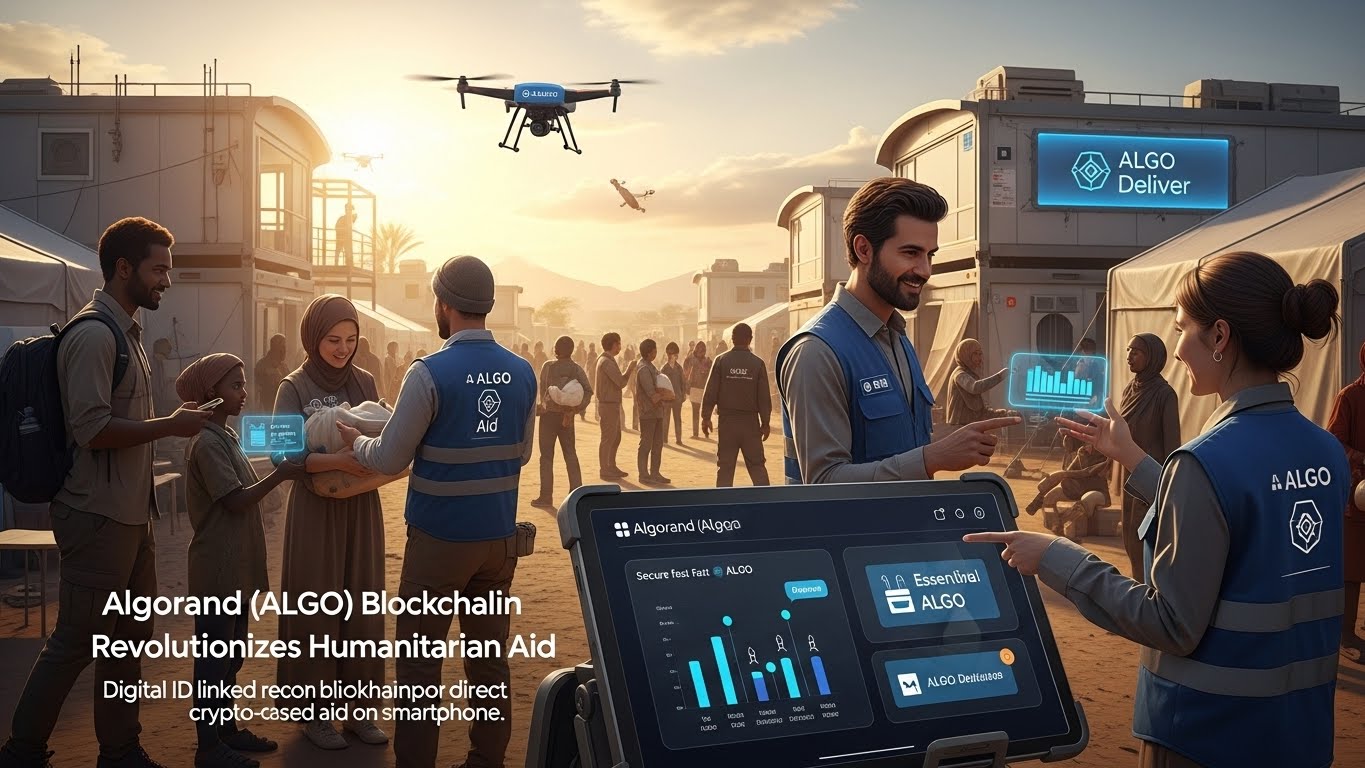
Smart contracts are self-executing programs that run on blockchain networks. In humanitarian aid, smart contracts can enforce rules automatically, reducing manual overhead and ensuring consistent distribution. Algorand (ALGO) smart contracts can be designed to support multiple humanitarian functions, including eligibility verification, disbursement scheduling, and controlled spending.
Imagine an emergency shelter program that distributes digital vouchers for food and supplies. A smart contract on Algorand (ALGO) can ensure that each eligible household receives a defined amount, cannot claim twice, and can only use vouchers at registered vendors. This reduces fraud risk while improving efficiency.
In 2025, smart contracts are being viewed as a way to protect both donors and recipients. Donors want assurance that funds are used as intended. Recipients want assurance that the aid system is not biased or manipulated. Algorand (ALGO) can enforce transparent rules that are consistent across all participants, strengthening fairness and trust.
Conditional Aid and Outcome-Based Funding Using Algorand (ALGO)
Outcome-based humanitarian funding is growing in popularity. Donors increasingly want to fund measurable results rather than just inputs. Algorand (ALGO) smart contracts can support this by releasing funds when outcomes are verified, such as children attending school, families receiving healthcare visits, or communities completing reconstruction milestones.
This approach can increase accountability without adding paperwork. Program verification can be tied to trusted reporting sources, and funds can be released automatically based on defined triggers. In 2025, this shift toward outcome-based aid aligns strongly with what Algorand (ALGO) offers as a programmable blockchain. It enables organizations to build solutions that combine transparency, automation, and measurable impact.
Digital Identity and Beneficiary Verification on Algorand (ALGO)
One of the most sensitive issues in humanitarian aid is identity. Many beneficiaries lack formal identification documents, especially in crisis zones. Yet aid organizations must prevent duplication and ensure that assistance reaches the right people. Algorand (ALGO) can support digital identity frameworks that allow beneficiaries to prove eligibility without exposing private data publicly.
In 2025, the concept of self-sovereign identity is increasingly important. This approach allows individuals to control their identity credentials rather than relying on centralized systems. Algorand (ALGO) can be used to create identity attestations that are verifiable, tamper-resistant, and privacy-preserving.
For humanitarian aid, this means a beneficiary could have a digital wallet that contains proofs of eligibility, such as household registration, disability support status, or displacement verification. Aid organizations can verify these credentials without storing sensitive data in centralized databases that may be vulnerable to breach or misuse. This makes Algorand (ALGO) not only a tool for financial distribution, but also an infrastructure for safer humanitarian governance.
Protecting Vulnerable Communities Through Privacy-Centered Systems
Transparency must not come at the cost of safety. In conflict zones, exposing identity data can put people at risk. Algorand (ALGO)-based systems can be designed to record transaction proof without revealing personal information. This is where privacy-preserving verification becomes essential.
In 2025, many humanitarian agencies are balancing openness with confidentiality. Algorand (ALGO) provides the tools to build systems where transactions are verifiable, but sensitive identity details are protected. This is a major step forward compared to traditional systems that either lack transparency or store large databases of vulnerable personal information.
Tokenization of Aid: Creating Trackable, Purpose-Driven Support with Algorand (ALGO)
Tokenization means converting value into digital tokens that can represent money, vouchers, or other assets. In humanitarian aid, tokenization can transform how resources are distributed and tracked. Instead of sending unrestricted cash, organizations can issue purpose-driven tokens that are redeemable only for specific categories such as food, medicine, or shelter materials.
Algorand (ALGO) supports tokenization through its flexible asset creation capabilities. In 2025, this allows humanitarian programs to create specialized aid tokens for different needs, while maintaining transparency and control. These tokens can be distributed quickly, tracked in real time, and redeemed through authorized partners.
Tokenized aid can also reduce the logistical burden of physical distribution. Instead of transporting goods and managing warehouses, organizations can empower local markets by distributing purchasing power. This supports economic recovery while still ensuring that aid is used responsibly. Algorand (ALGO) is enabling this shift by offering an efficient platform for tokenized humanitarian assistance.
Preventing Misuse Through Controlled Spending Mechanisms
One of the concerns with cash assistance is the fear that funds may not be used for essential needs. While many studies show that recipients generally spend aid responsibly, donors sometimes require restrictions. Tokenized aid on Algorand (ALGO) can address this by limiting where and how tokens can be redeemed.
For example, food tokens could be restricted to participating grocery stores, or medical tokens could be redeemable only at approved clinics. This ensures compliance without requiring invasive monitoring of beneficiaries. In 2025, this balance between dignity and accountability is becoming a core design principle for humanitarian technology, and Algorand (ALGO) is enabling it at scale.
Algorand (ALGO) and Cross-Border Donations: Removing Friction from Global Giving
Cross-border donations often involve currency conversion, wire fees, banking delays, and compliance bottlenecks. For many charities, the cost of moving money internationally can be a major barrier, especially for smaller organizations. Algorand (ALGO) helps streamline this process by enabling near-instant value transfer across borders with minimal fees. In 2025, the global donor base is more digital than ever. People want to donate quickly during emergencies and see immediate impact. Algorand (ALGO) supports donation systems where contributions can be received directly in digital form, allocated transparently, and deployed quickly. This reduces the friction that often slows down emergency response.
Another advantage is auditability. When donations flow through multiple countries and partners, tracking becomes difficult. Algorand (ALGO) provides a shared record that can improve reporting, compliance, and trust. This is why many see Algorand (ALGO) as a foundational layer for cross-border aid transparency.
Strengthening Local Economies: How Algorand (ALGO) Supports Community-Based Aid
Humanitarian aid has increasingly shifted toward approaches that strengthen local systems instead of replacing them. When aid flows into local markets, it supports jobs, businesses, and supply chains. Algorand (ALGO) can support this shift by enabling local merchants to participate in aid programs through digital redemption networks.
In a tokenized voucher system, local stores can accept Algorand-based vouchers, redeem them for funds, and continue operating even during crisis conditions. This keeps economic activity alive while ensuring that beneficiaries can access essential goods close to home. In 2025, such community-based aid models are increasingly valued because they promote resilience rather than dependence.
Algorand (ALGO) also supports financial inclusion by helping recipients build digital financial footprints. While humanitarian aid should never become a tool of surveillance, ethically designed systems can help recipients access broader services over time, such as savings, micro-credit, or insurance. This is part of the long-term humanitarian vision: moving from emergency relief toward sustainable recovery.
Challenges and Realities: What Algorand (ALGO) Must Overcome in Humanitarian Adoption
While Algorand (ALGO) offers powerful tools, real-world implementation is not without challenges. Humanitarian contexts often involve limited connectivity, low smartphone access, and complex political environments. Any blockchain-based system must work in offline or low-bandwidth conditions and must be easy enough for non-technical users to adopt.
Training is also a barrier. Aid organizations need staff who understand how to manage wallets, tokens, and smart contract systems. Beneficiaries may need support learning how to use digital tools safely. In 2025, the success of Algorand (ALGO) in humanitarian aid depends not only on technology but on thoughtful implementation, community engagement, and usability.
Regulatory uncertainty can also impact adoption. Governments may have varying attitudes toward blockchain and digital assets, which can affect program rollout. In humanitarian settings, compliance is critical. Algorand (ALGO) solutions must be designed to meet legal standards while maintaining the flexibility needed in emergencies. Despite these challenges, the momentum is clear: as humanitarian organizations seek efficiency and trust, Algorand (ALGO) is increasingly being considered a viable platform for long-term innovation.
Building User-Friendly Tools for Non-Technical Communities
One of the most important factors for adoption is usability. A blockchain solution is only effective if people can actually use it under stress. This is why many Algorand (ALGO)-based humanitarian applications in 2025 focus heavily on simple interfaces, local language support, and accessible recovery methods. If a recipient loses access to a phone, aid must not disappear. Systems need safeguards that protect recipients without exposing them to unnecessary risk.
User experience is not a secondary detail in humanitarian aid—it is central to effectiveness. Algorand (ALGO) can support strong infrastructure, but successful humanitarian deployment depends on the design choices made by the organizations building on top of it.
The Future Outlook: Why Algorand (ALGO) Will Shape Humanitarian Aid Beyond 2025
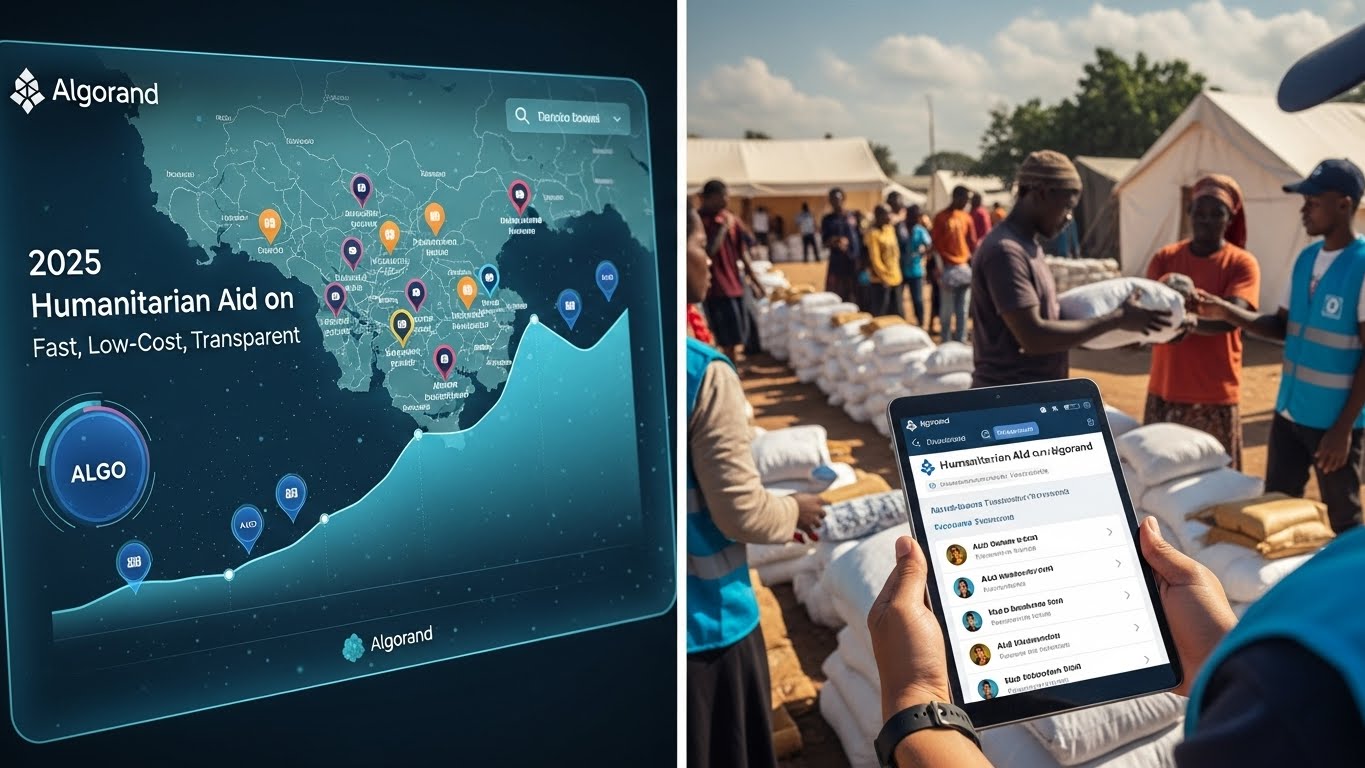
The humanitarian sector is entering a new era where accountability, speed, and community empowerment are more important than ever. Algorand (ALGO) fits this future because it offers scalability without sacrificing affordability. Its ability to support tokenized assets, smart contracts, and traceable distribution makes it suitable for both emergency response and long-term development.
Beyond 2025, Algorand (ALGO) can become a key part of global humanitarian infrastructure, especially as donor expectations evolve. Transparent reporting will likely become a baseline requirement. Real-time visibility into aid distribution may become standard. Digital identity solutions that protect privacy while enabling verification will be increasingly essential. Algorand (ALGO) can contribute to all of these areas.
As adoption grows, we can expect to see more hybrid systems where traditional finance integrates with blockchain infrastructure. Humanitarian organizations may use Algorand (ALGO) behind the scenes while providing familiar user experiences to beneficiaries. This blend of technical power and human-centered design is what will make blockchain truly impactful in humanitarian aid.
Conclusion
Algorand (ALGO) is not just a cryptocurrency headline. In 2025, it represents a practical blockchain infrastructure capable of transforming humanitarian aid through transparency, speed, and fair distribution. By enabling traceable funding, low-cost transfers, smart contract automation, and privacy-respecting identity verification, Algorand (ALGO) addresses many of the deepest challenges humanitarian organizations face today.
The true value of Algorand (ALGO) lies in how it can shift aid from a system built on trust alone to a system strengthened by verifiable truth. It empowers donors to see impact clearly, organizations to operate with greater efficiency, and beneficiaries to receive assistance more directly and fairly. While challenges remain, the direction is clear: Algorand (ALGO) blockchain is revolutionizing humanitarian aid in 2025 and setting the foundation for a more transparent, faster, and more accountable future of global relief.
FAQs
Q: How does Algorand (ALGO) specifically improve transparency in humanitarian aid programs in 2025?
Algorand (ALGO) improves transparency by recording aid-related transactions on a verifiable blockchain ledger. When donations, distributions, and redemptions are tracked through Algorand (ALGO), organizations can create an auditable record of how funds move from donors to beneficiaries. This makes it easier to detect irregularities, reduce fund leakage, and provide real-time accountability to stakeholders without relying solely on manual reporting.
Q: Why is Algorand (ALGO) considered more practical for humanitarian aid than many other blockchain networks?
Algorand (ALGO) is considered practical because it combines speed, low transaction fees, and scalability, which are essential for large-scale aid distribution. Humanitarian programs often involve thousands of small transfers, and high fees can reduce the effectiveness of support. Algorand (ALGO) can process transactions efficiently and affordably, making it suitable for crisis response, cash assistance, and voucher-based aid systems in 2025.
Q: Can Algorand (ALGO) help protect the privacy of vulnerable aid recipients while still ensuring accountability?
Yes, Algorand (ALGO) can support privacy-centered systems where transactions are transparent but sensitive identity details are protected. Humanitarian programs can design verification methods that confirm eligibility without exposing personal data publicly. This allows agencies to maintain accountability while reducing risks to vulnerable communities, especially in conflict zones or politically unstable environments in 2025.
Q: How does tokenized aid on Algorand (ALGO) work, and why is it useful for humanitarian programs?
Tokenized aid on Algorand (ALGO) involves issuing digital tokens that represent assistance such as cash equivalents, food vouchers, or medical credits. These tokens can be distributed quickly to recipients and can be tracked to ensure proper use. Tokenization is useful because it reduces logistical costs, supports local markets, and enables controlled spending when donors require restrictions, all while maintaining transparency and efficiency.
Q: What are the biggest challenges humanitarian organizations may face when adopting Algorand (ALGO) in 2025?
The biggest challenges include limited internet access in crisis areas, the need for user-friendly mobile tools, training staff and beneficiaries to use digital wallets safely, and navigating different regulatory attitudes toward blockchain technology. While Algorand (ALGO) provides strong infrastructure, successful adoption depends on thoughtful implementation, local partnerships, and systems that remain accessible even in low-connectivity environments.