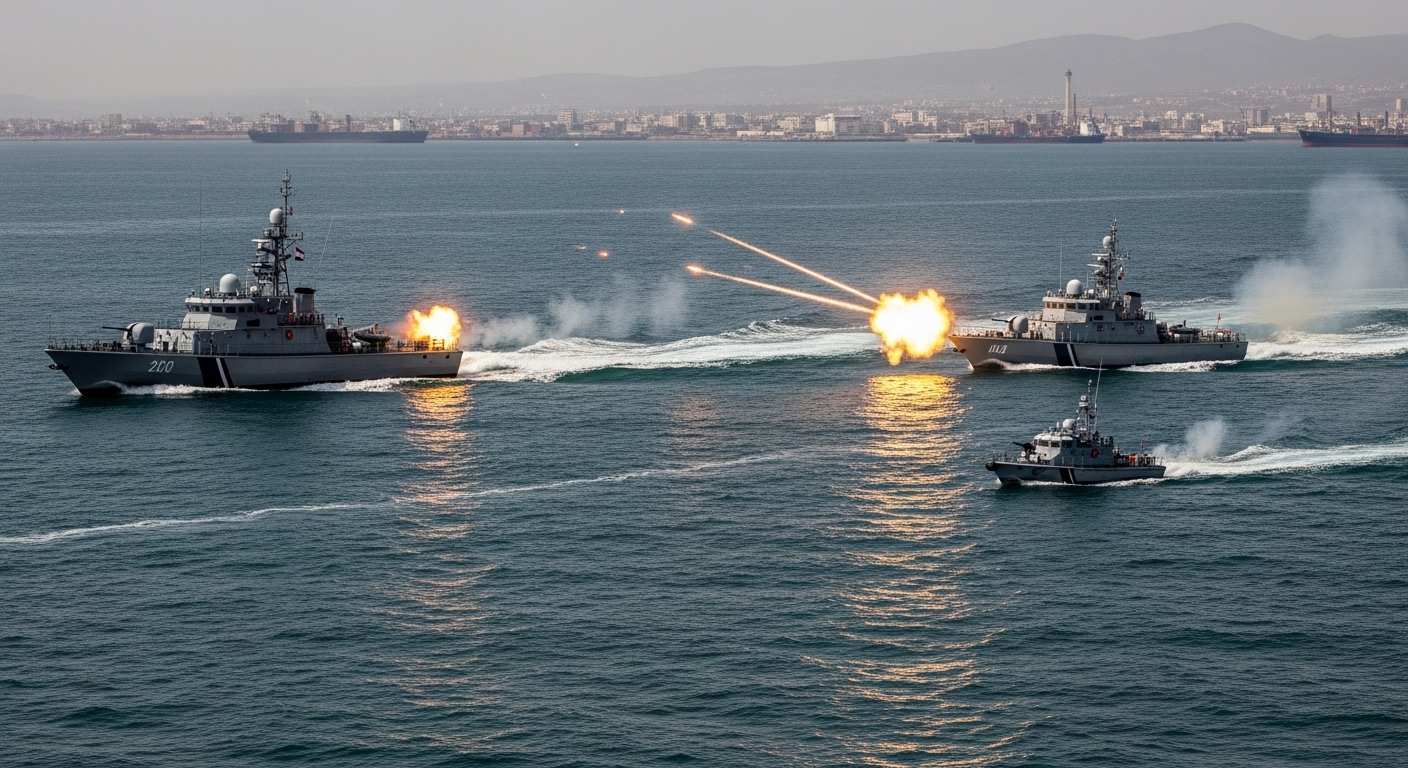
The statement that a maritime agency says it received report of exchange of fire between boats off Yemen’s Aden port has immediately drawn international attention. The waters surrounding Yemen, particularly near the strategic port city of Aden, are already known for volatility due to ongoing regional tensions, armed conflict, and threats to global shipping routes. When a maritime agency says it received report of exchange of fire between boats off Yemen’s Aden port, it signals more than a localized skirmish. It points to broader concerns about maritime security, international shipping lanes, and regional stability in one of the world’s most sensitive waterways.
Aden sits along crucial sea routes connecting the Red Sea to the Arabian Sea via the Bab el-Mandeb Strait. Any report of gunfire between vessels in this region can disrupt commercial shipping, heighten insurance costs, and intensify geopolitical anxieties. The announcement that a maritime agency says it received report of exchange of fire between boats off Yemen’s Aden port underscores the fragile balance in these waters, where commercial vessels, local fishing boats, and military patrols operate in close proximity.
This article explores the implications of the incident, the background of maritime tensions in Yemen, the strategic importance of Aden port, and what such reports mean for global trade and regional security. By examining the context and consequences, readers can better understand why a maritime agency says it received report of exchange of fire between boats off Yemen’s Aden port is a development that resonates far beyond the immediate coastline.
Understanding the Incident Off Yemen’s Aden Port
When a maritime agency says it received report of exchange of fire between boats off Yemen’s Aden port, the wording itself is significant. Maritime agencies often act as monitoring and coordination bodies that track shipping movements, security alerts, and navigational hazards. A report of an exchange of fire suggests that at least two vessels were involved in active gunfire, raising immediate concerns about piracy, militia activity, or armed conflict spillover.
The waters off Aden have long been associated with piracy risks, particularly during the peak years of Somali piracy. Although international naval patrols reduced large-scale piracy operations, the region remains vulnerable. The statement that a maritime agency says it received report of exchange of fire between boats off Yemen’s Aden port may indicate renewed security threats or isolated confrontations.
Such incidents can occur for various reasons. They might involve armed groups targeting commercial vessels, disputes between local factions, or even misidentification between security forces and civilian boats. The complexity of Yemen’s ongoing conflict further complicates the maritime environment, making every report of gunfire a potential flashpoint.
Strategic Importance of Aden Port
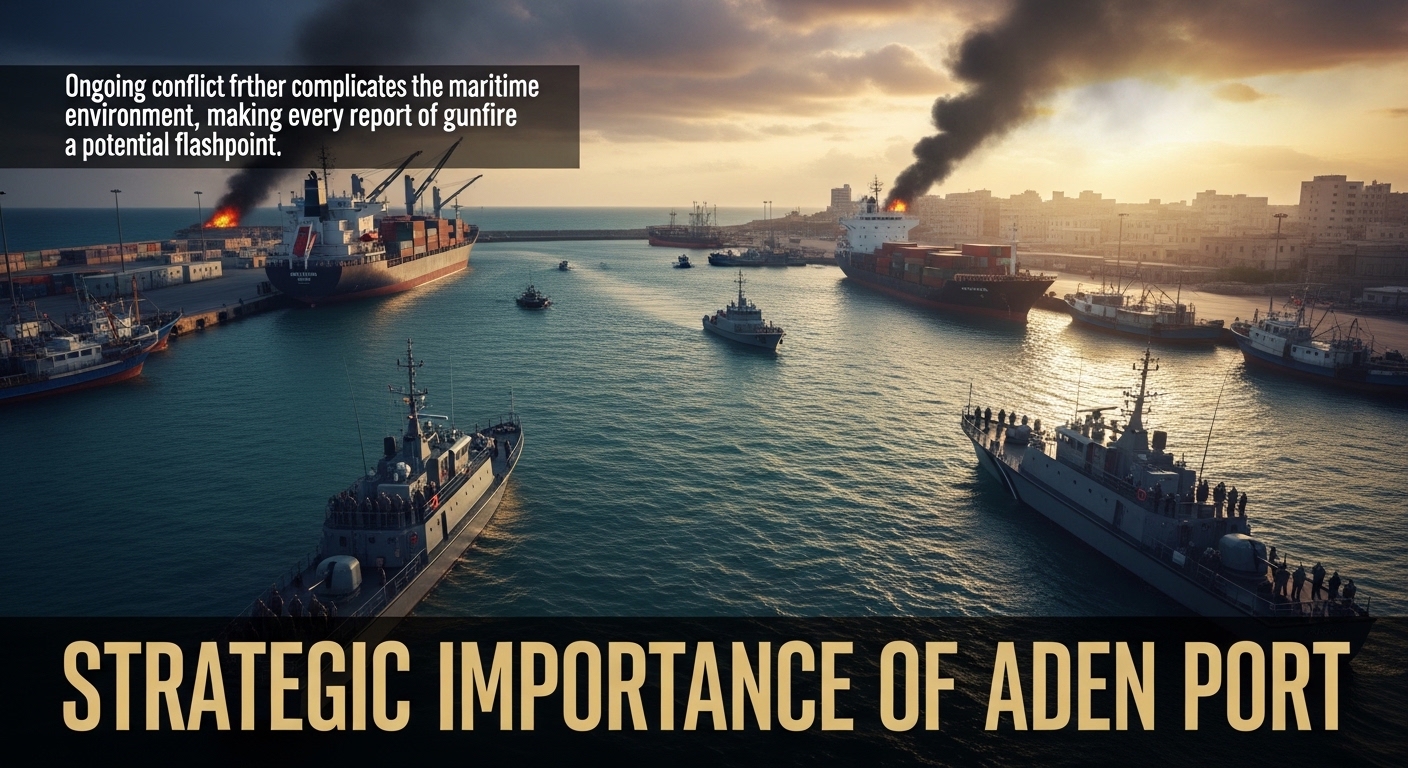
Aden port is one of Yemen’s most important maritime hubs. Located near the entrance of the Red Sea, it serves as a gateway for vessels transiting between Europe, Asia, and Africa. When a maritime agency says it received report of exchange of fire between boats off Yemen’s Aden port, it directly affects perceptions of safety in this strategic corridor.
The Bab el-Mandeb Strait, which lies nearby, is a chokepoint for global trade. A significant percentage of the world’s oil shipments and container traffic passes through these waters. Any instability near Aden can ripple outward, affecting shipping schedules and freight costs worldwide.
The port itself has historical significance as a refueling and trading hub. In modern times, despite Yemen’s internal conflict, Aden remains critical for humanitarian aid deliveries and commercial imports. A report that a maritime agency says it received report of exchange of fire between boats off Yemen’s Aden port raises fears that humanitarian shipments could be delayed or endangered.
Regional Conflict and Maritime Security
Yemen’s prolonged conflict has transformed its coastal waters into a zone of heightened risk. Armed groups operate in various regions, and the maritime domain is not immune. When a maritime agency says it received report of exchange of fire between boats off Yemen’s Aden port, it reflects the spillover of land-based conflict into the sea.
The presence of armed militias, naval patrols, and international coalitions creates a dense operational environment. Misunderstandings or deliberate attacks can escalate quickly. Maritime security experts often emphasize that the combination of political instability and strategic waterways increases the likelihood of incidents.
The broader Red Sea security environment has also been under scrutiny in recent years. Attacks on commercial ships, drone strikes, and missile threats have amplified concerns. In this context, the statement that a maritime agency says it received report of exchange of fire between boats off Yemen’s Aden port fits into a larger narrative of instability affecting global maritime trade.
Impact on International Shipping
Whenever a maritime agency says it received report of exchange of fire between boats off Yemen’s Aden port, shipping companies take notice. Shipping is highly sensitive to risk assessments. Even a single reported exchange of fire can prompt vessels to reroute, delay departures, or request naval escorts.
Insurance premiums for ships operating near conflict zones can rise sharply after such incidents. The marine insurance market reacts quickly to new threats, adjusting war risk premiums. Increased costs are often passed down the supply chain, affecting global consumers.
Shipping operators may also issue navigational warnings, advising captains to exercise caution or avoid certain coordinates. The announcement that a maritime agency says it received report of exchange of fire between boats off Yemen’s Aden port therefore has practical consequences, even if the exchange was brief or limited in scope.
Possible Causes Behind the Exchange of Fire
The report that a maritime agency says it received report of exchange of fire between boats off Yemen’s Aden port leaves room for multiple interpretations. One possibility is attempted piracy. Although large-scale piracy has declined, smaller opportunistic attacks remain possible.
Another scenario could involve clashes between rival armed groups operating in coastal areas. Yemen’s fragmented political landscape includes various factions, each with its own maritime interests. Tensions between these groups can spill into the sea.
There is also the possibility of misunderstandings. Fishing boats, security vessels, and commercial ships may misinterpret each other’s intentions, particularly in tense environments. When a maritime agency says it received report of exchange of fire between boats off Yemen’s Aden port, investigators typically work to clarify whether the event was criminal, political, or accidental.
Global Geopolitical Implications
The international community closely monitors any development in Yemen’s waters. When a maritime agency says it received report of exchange of fire between boats off Yemen’s Aden port, global powers with naval assets in the region assess the potential escalation.
Major economies depend on uninterrupted shipping through the Red Sea corridor. Disruptions could influence energy markets, commodity prices, and supply chains. The presence of foreign naval forces underscores the strategic stakes.
The incident also highlights the broader contest for influence in the region. Control of maritime routes is a longstanding geopolitical objective. Reports that a maritime agency says it received report of exchange of fire between boats off Yemen’s Aden port can be interpreted through this lens, especially if they coincide with heightened political tensions.
Safety Measures and Response Protocols
When a maritime agency says it received report of exchange of fire between boats off Yemen’s Aden port, standard response protocols are activated. Maritime agencies typically issue security advisories, coordinate with naval forces, and communicate with shipping companies.
Captains are advised to implement best management practices, such as increased watchkeeping, evasive maneuvers, and maintaining secure communications. Naval coalitions may increase patrols in affected areas.
These measures aim to prevent further incidents and reassure commercial operators. Transparency in reporting is crucial. By stating that a maritime agency says it received report of exchange of fire between boats off Yemen’s Aden port, authorities demonstrate a commitment to keeping stakeholders informed.
Economic Consequences for Yemen
Yemen’s economy has suffered immensely due to years of conflict. The port of Aden plays a vital role in sustaining trade and humanitarian imports. When a maritime agency says it received report of exchange of fire between boats off Yemen’s Aden port, it risks undermining fragile economic recovery efforts. Shipping disruptions can delay essential goods, including food and medical supplies. Increased security concerns may deter foreign investment in port infrastructure. For a country already facing economic hardship, maritime instability adds another layer of challenge.
The reputational impact is also significant. Ports associated with violence or insecurity struggle to attract commercial traffic. Therefore, every time a maritime agency says it received report of exchange of fire between boats off Yemen’s Aden port, the long-term economic implications must be considered.
The Broader Red Sea Security Landscape
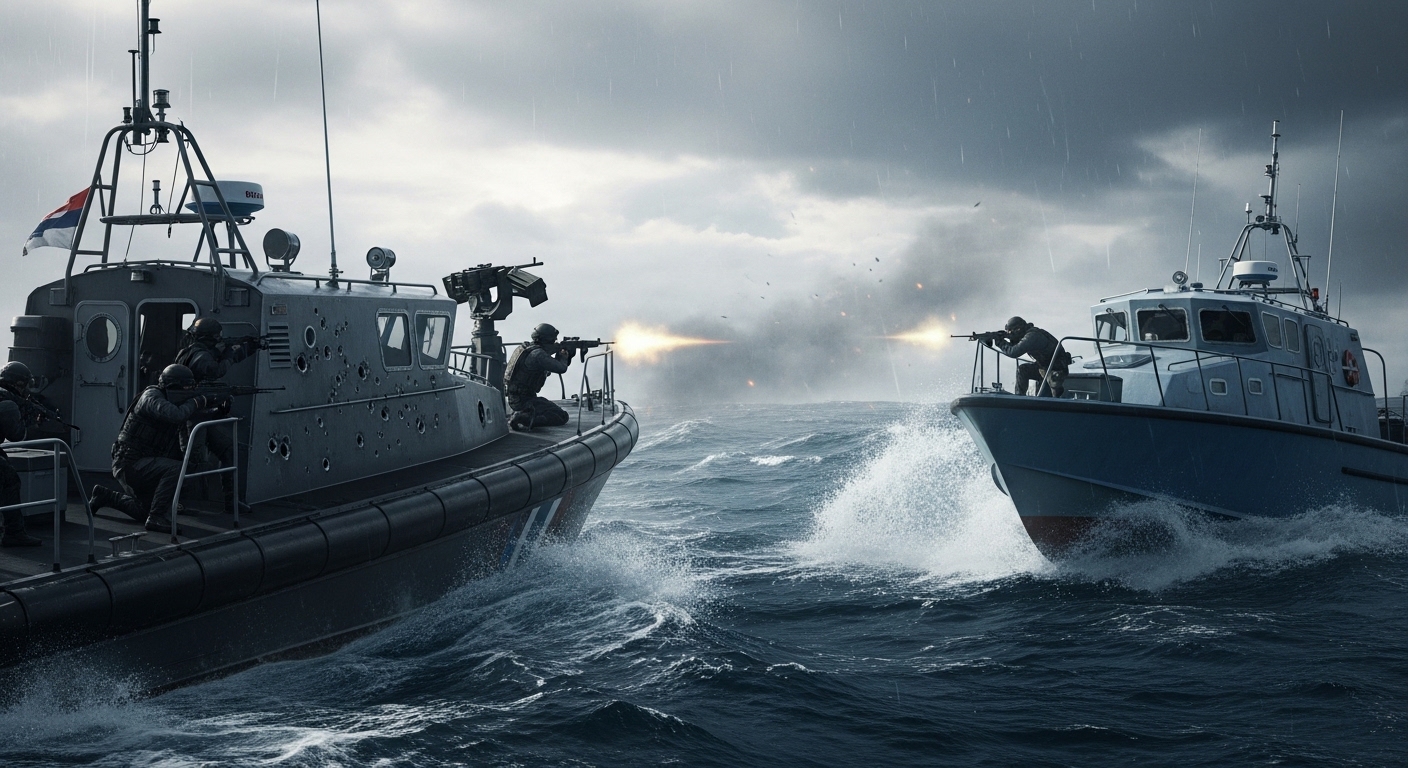
The Red Sea has become an arena of strategic competition and security concerns. The report that a maritime agency says it received report of exchange of fire between boats off Yemen’s Aden port is part of a broader pattern of maritime incidents. Increased militarization of the region, combined with political rivalries, heightens the risk of confrontation. Commercial shipping companies must navigate not only physical hazards but also geopolitical tensions.
Ensuring safe passage through the Red Sea and around Aden port requires collaboration among regional states, global powers, and maritime organizations.
Conclusion
The announcement that a maritime agency says it received report of exchange of fire between boats off Yemen’s Aden port is more than a routine security alert. It reflects the fragile state of maritime security in a strategically vital region. Aden port’s proximity to critical shipping lanes amplifies the significance of any armed confrontation at sea.
From potential piracy to geopolitical maneuvering, the causes and consequences of such incidents are multifaceted. Shipping companies, insurers, governments, and humanitarian organizations all have a stake in maintaining stability. As long as Yemen’s broader conflict persists, reports like the one stating that a maritime agency says it received report of exchange of fire between boats off Yemen’s Aden port will continue to shape the narrative of maritime risk in the Red Sea.
Sustained international cooperation, improved maritime surveillance, and political resolution on land are essential steps toward reducing the likelihood of future exchanges of fire. Until then, each report serves as a reminder of the delicate balance between commerce and conflict in one of the world’s most critical maritime corridors.
FAQs
Q: Why is the report of an exchange of fire off Yemen’s Aden port considered significant for global trade?
The report that a maritime agency says it received report of exchange of fire between boats off Yemen’s Aden port is significant because Aden lies near major international shipping lanes. A disruption in this area can impact oil shipments, container traffic, and global supply chains. Even isolated incidents can lead to higher insurance premiums and rerouted vessels, increasing costs worldwide.
Q: What are the possible reasons behind the exchange of fire between boats near Aden port?
When a maritime agency says it received report of exchange of fire between boats off Yemen’s Aden port, the causes may range from attempted piracy and militia clashes to misunderstandings between security forces and civilian vessels. The complex security environment in Yemen makes it essential to investigate each incident carefully before drawing conclusions.
Q: How do maritime agencies respond to reports of gunfire at sea?
After a maritime agency says it received report of exchange of fire between boats off Yemen’s Aden port, authorities typically issue security advisories, coordinate with naval forces, and inform shipping companies. Enhanced patrols and safety measures are often implemented to prevent escalation and protect commercial vessels.
Q: Could such incidents affect humanitarian aid deliveries to Yemen?
Yes, when a maritime agency says it received report of exchange of fire between boats off Yemen’s Aden port, it may create temporary delays or increased security checks for ships carrying humanitarian aid. Since Yemen relies heavily on imports for food and medical supplies, maritime instability can directly impact vulnerable populations.
Q: What long-term measures can improve maritime security near Aden port?
Improving maritime security requires coordinated international naval patrols, better intelligence sharing, and political stabilization within Yemen. When a maritime agency says it received report of exchange of fire between boats off Yemen’s Aden port, it underscores the need for sustained efforts to ensure safe navigation in the Red Sea corridor.